
De Slufter: a weird name, for a unique place

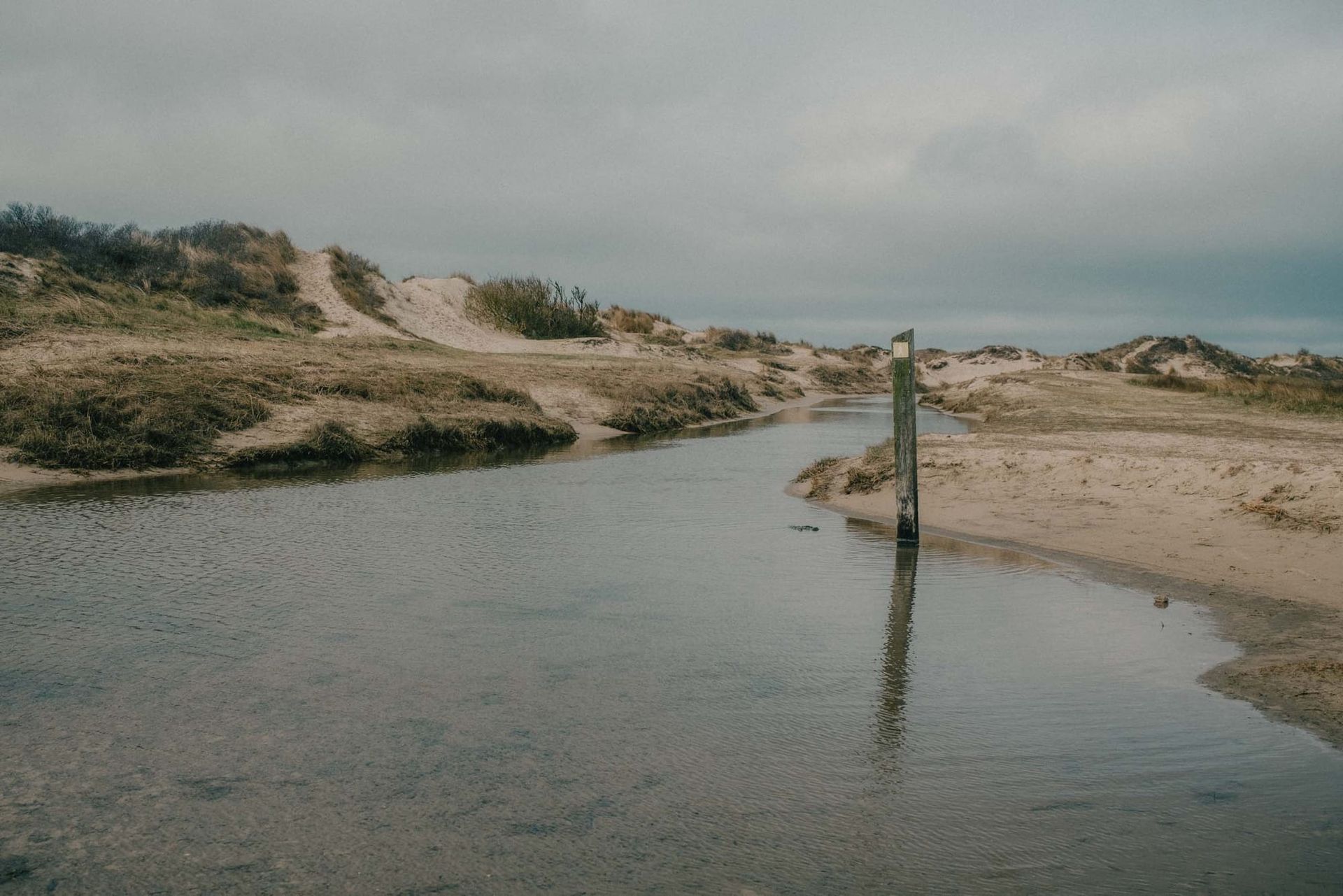
De Slufter, on the Netherland's biggest island, Texel, apparently is the only part of the Dutch coast where humans are not actively managing the sea. The water flows freely inland during high tide since the start of the 20th century, after repeatedly failing to turn the area into farmland.
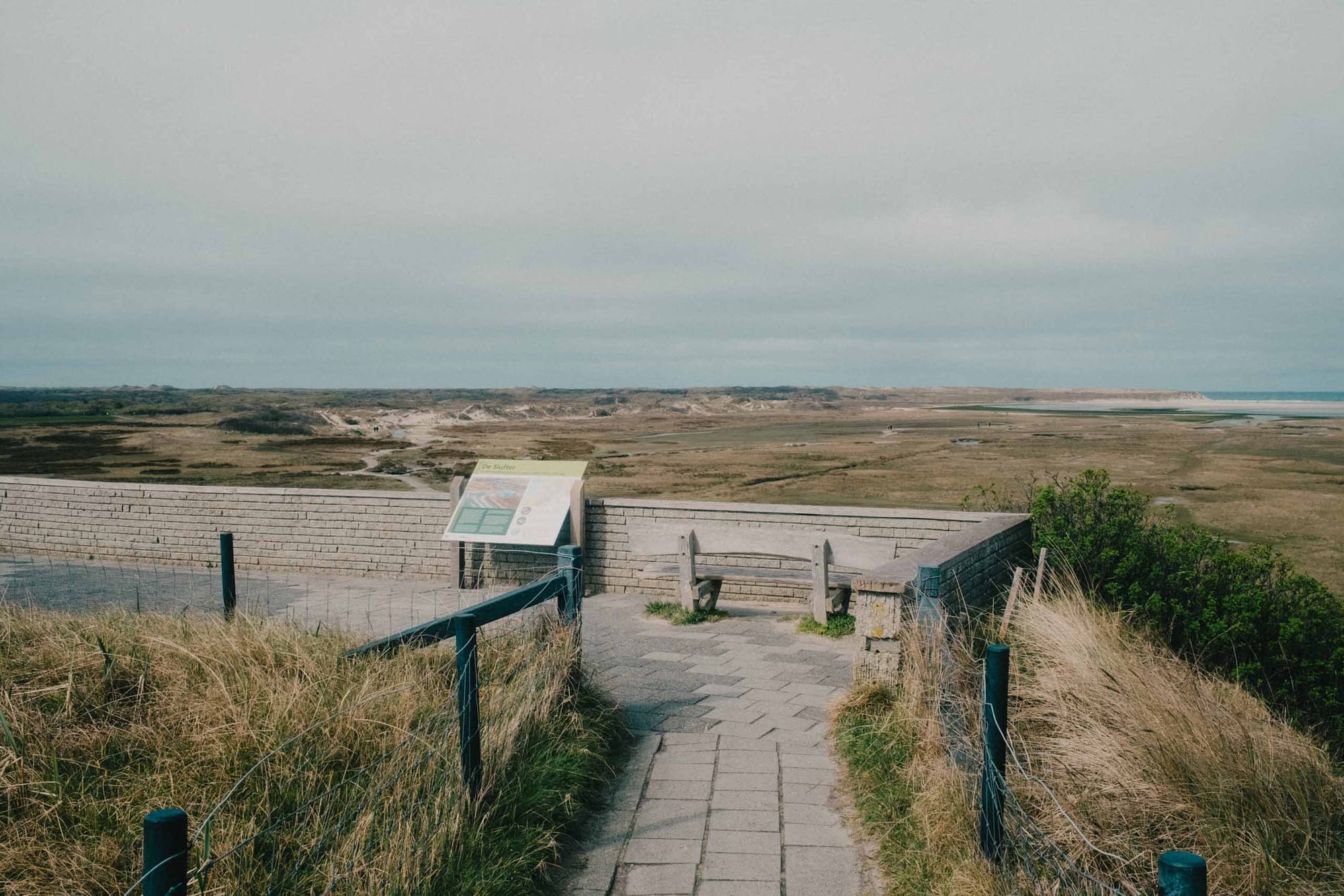
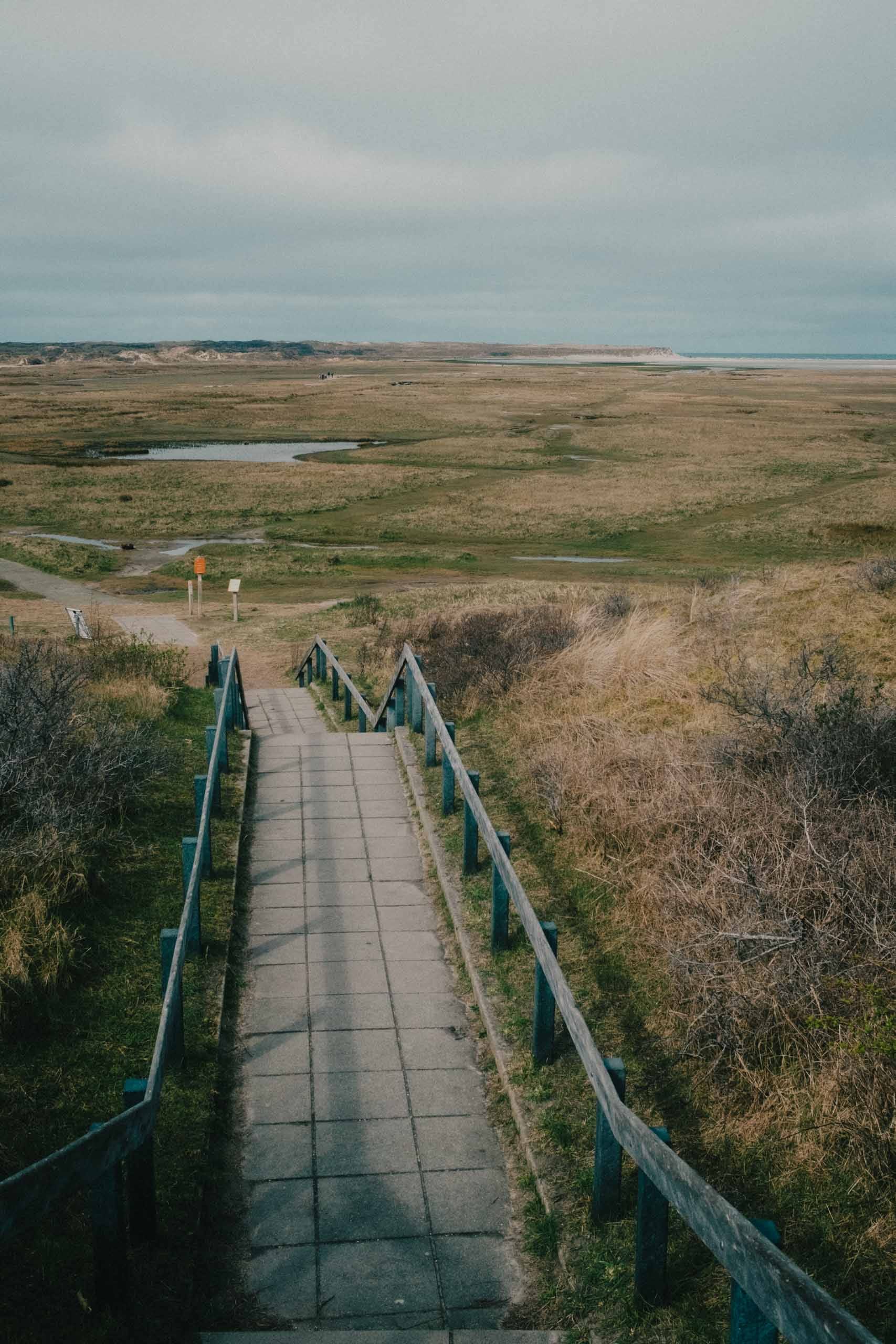
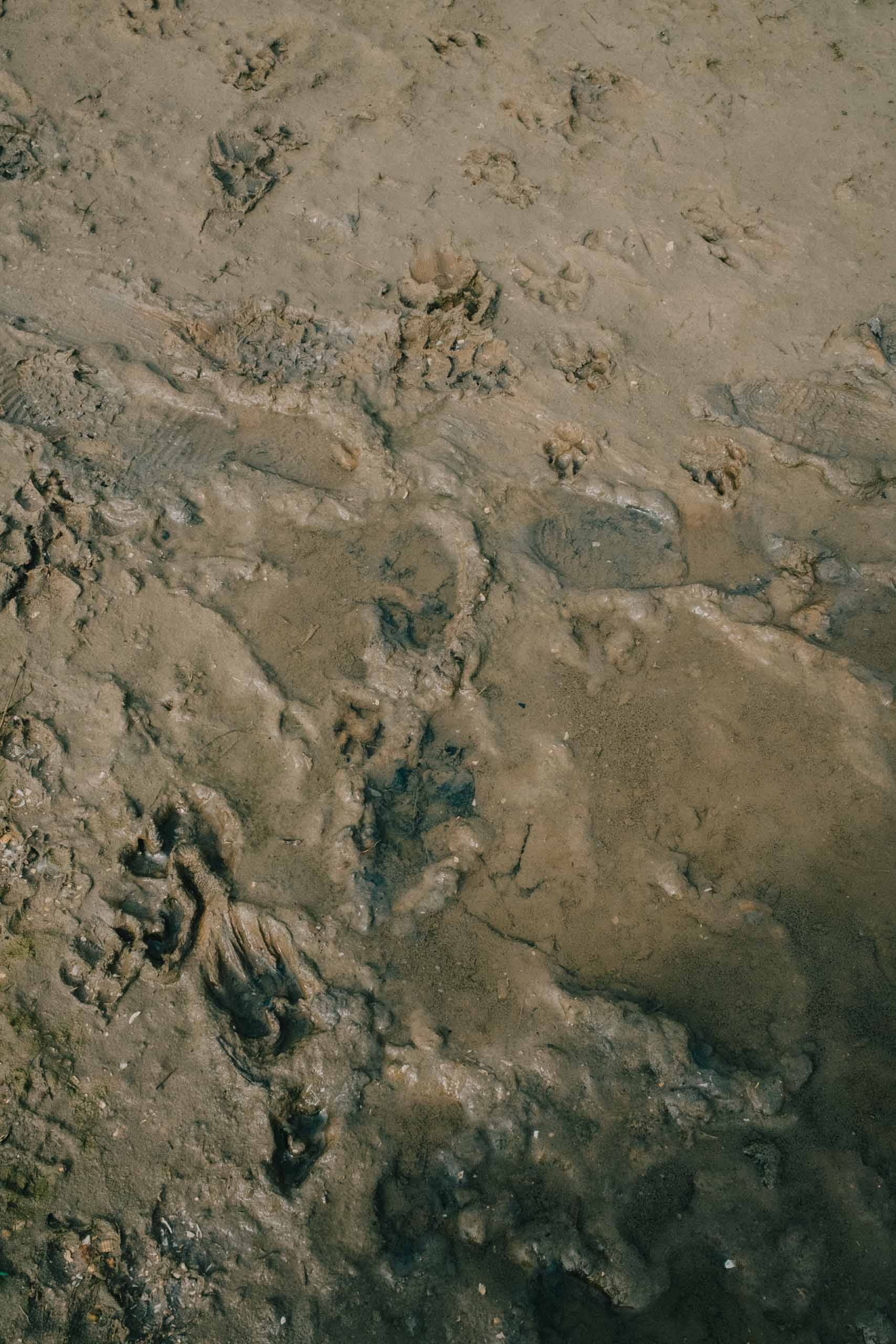
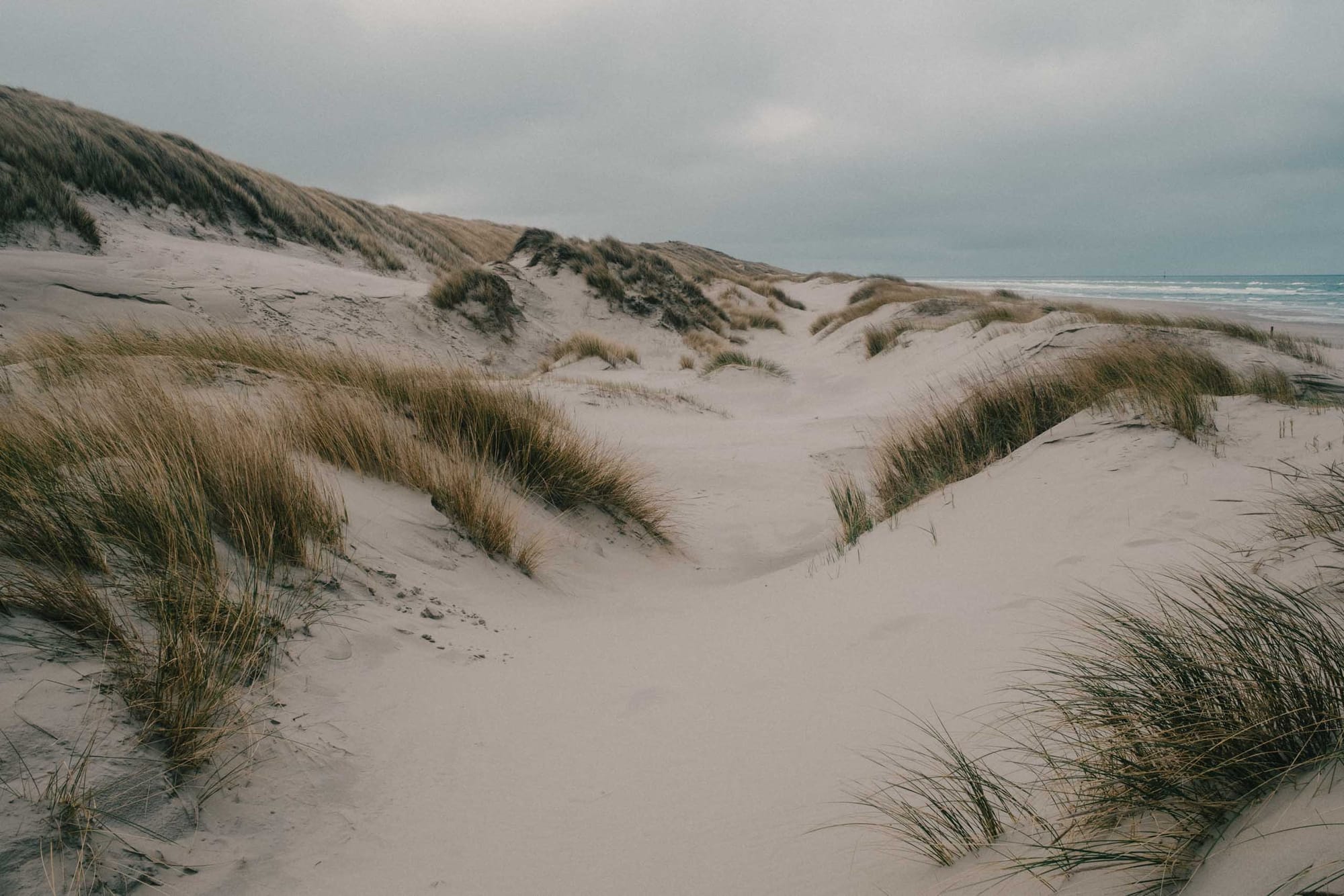
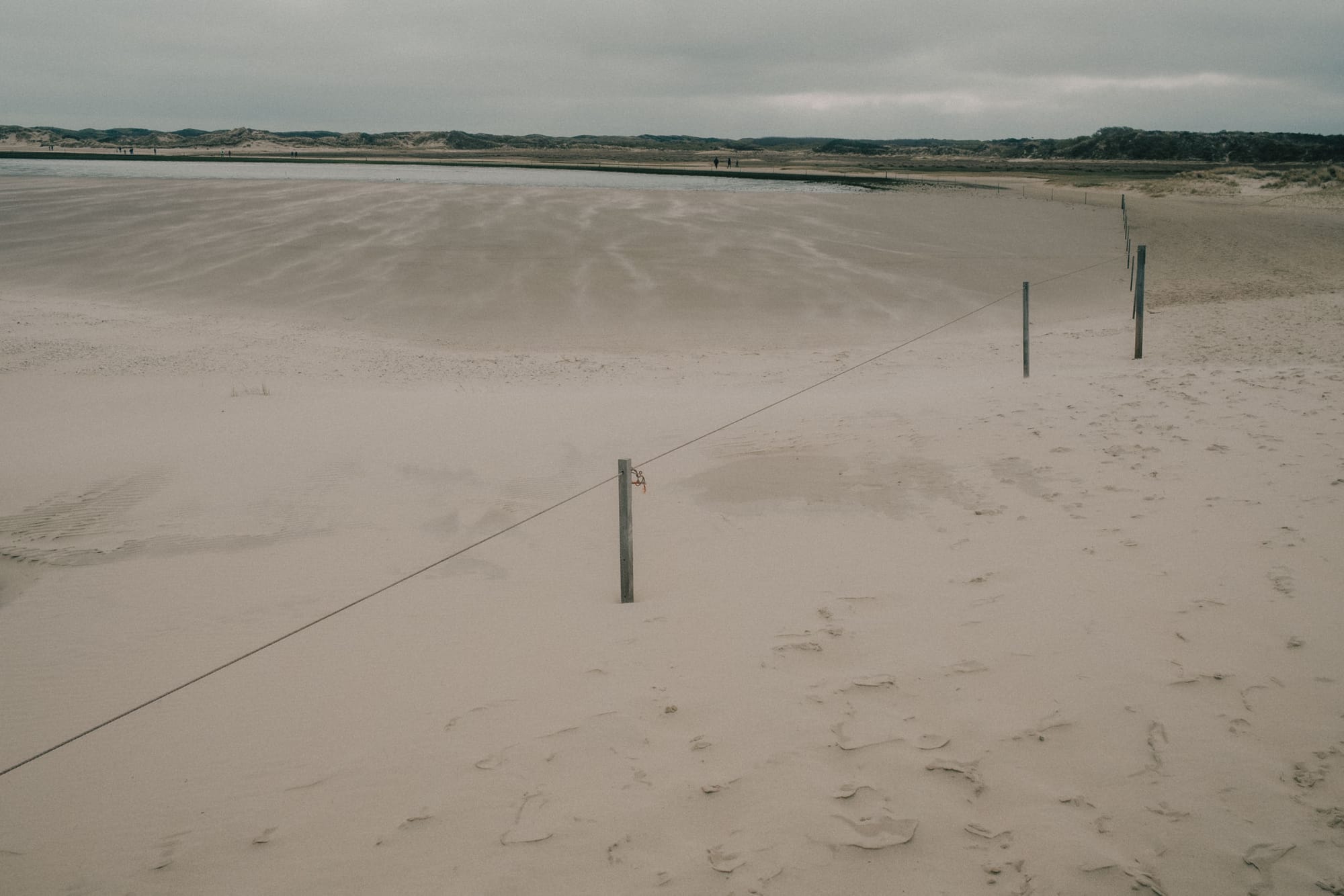
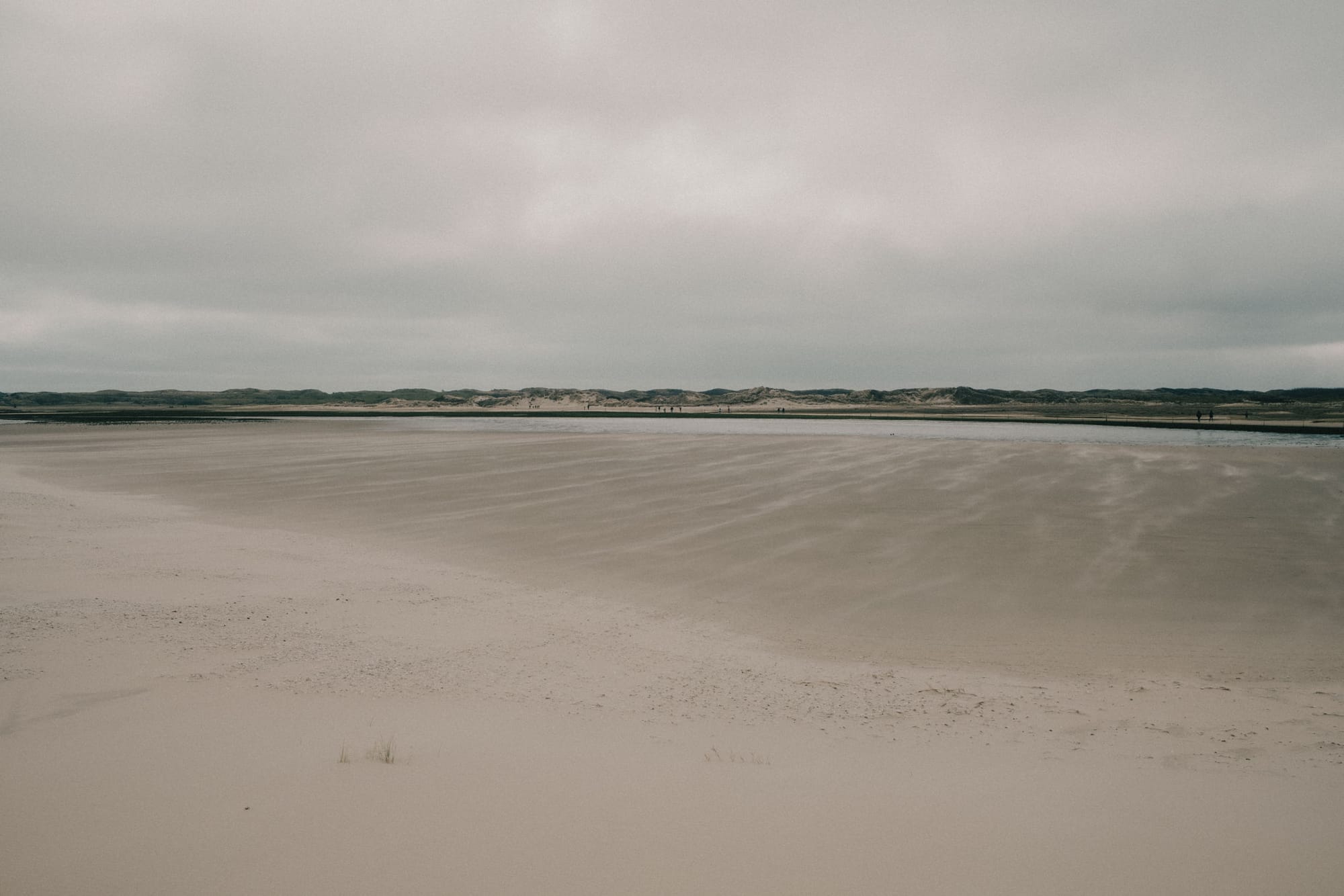
Only after descending down the steps across the 'Zanddijk,' which protects the northern part of the island from the sea, you truly come in contact with the elements. The soil is saturated with water, the wind blows freely, and the air has a salty crisp in it that you don't quite get on the other side of the dike. A large canal flows inland from the sea, with little canals sprouting along the sides of it. People traverse the unpredictable landscape by meandering through it, carving out their own paths where they can.
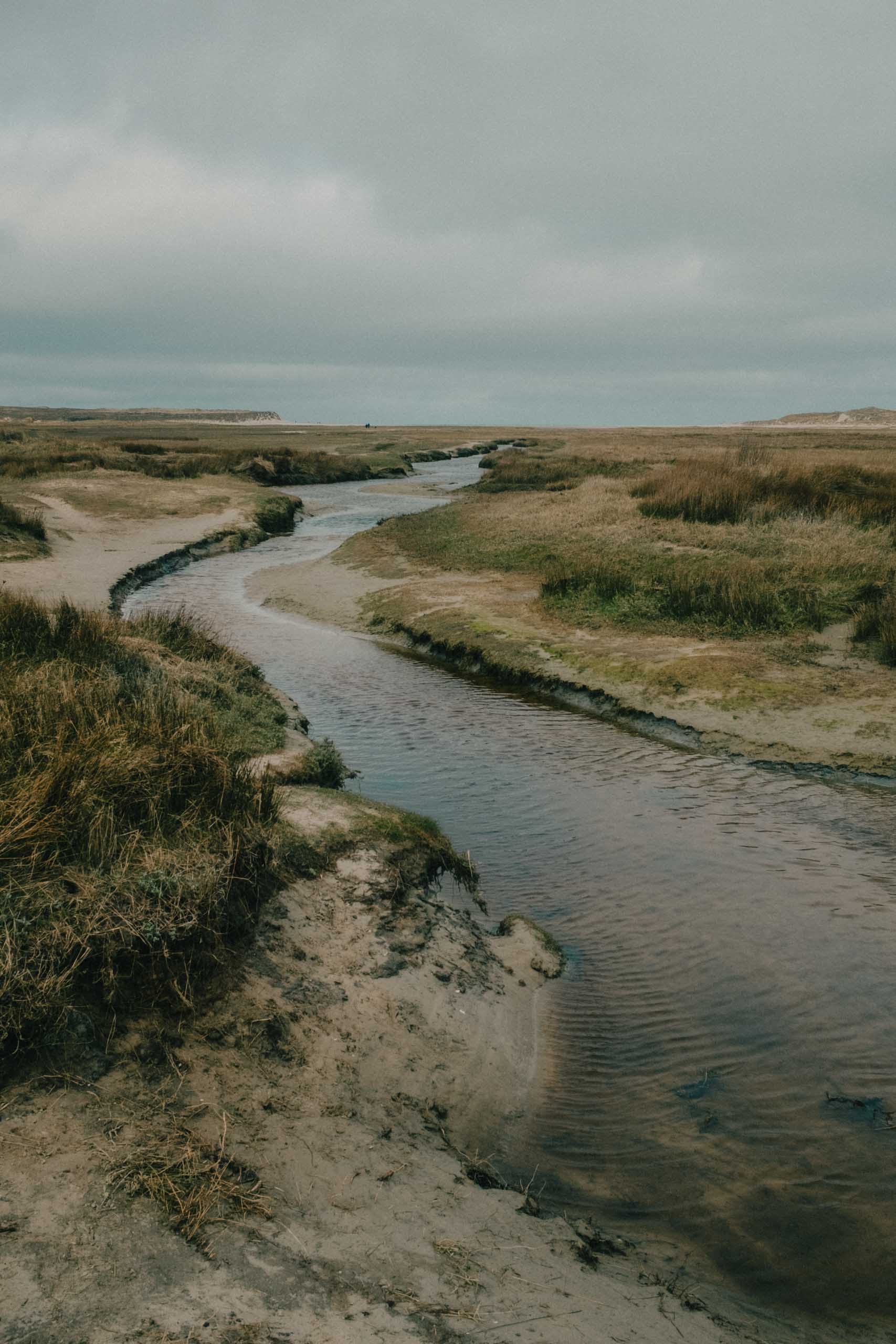
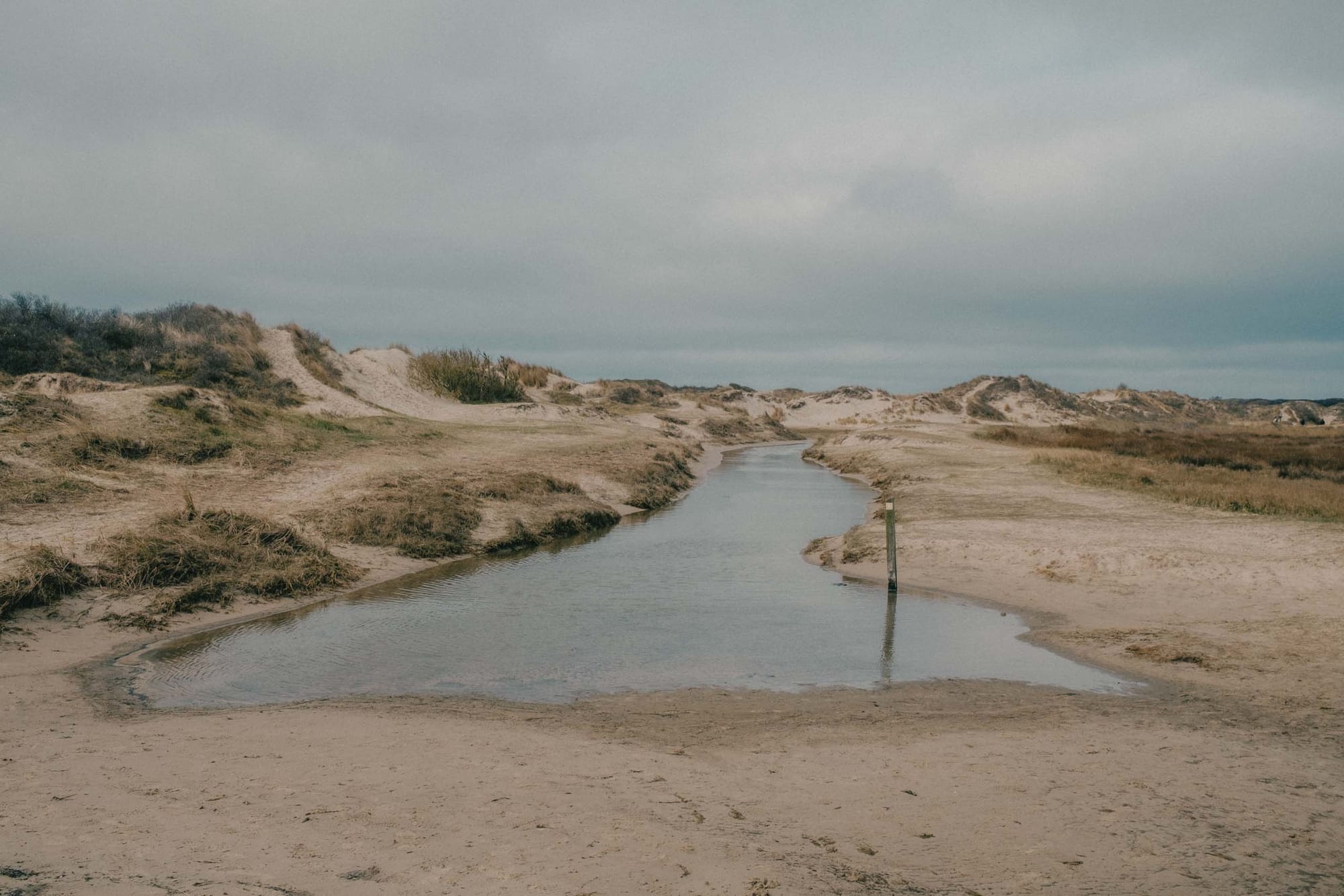
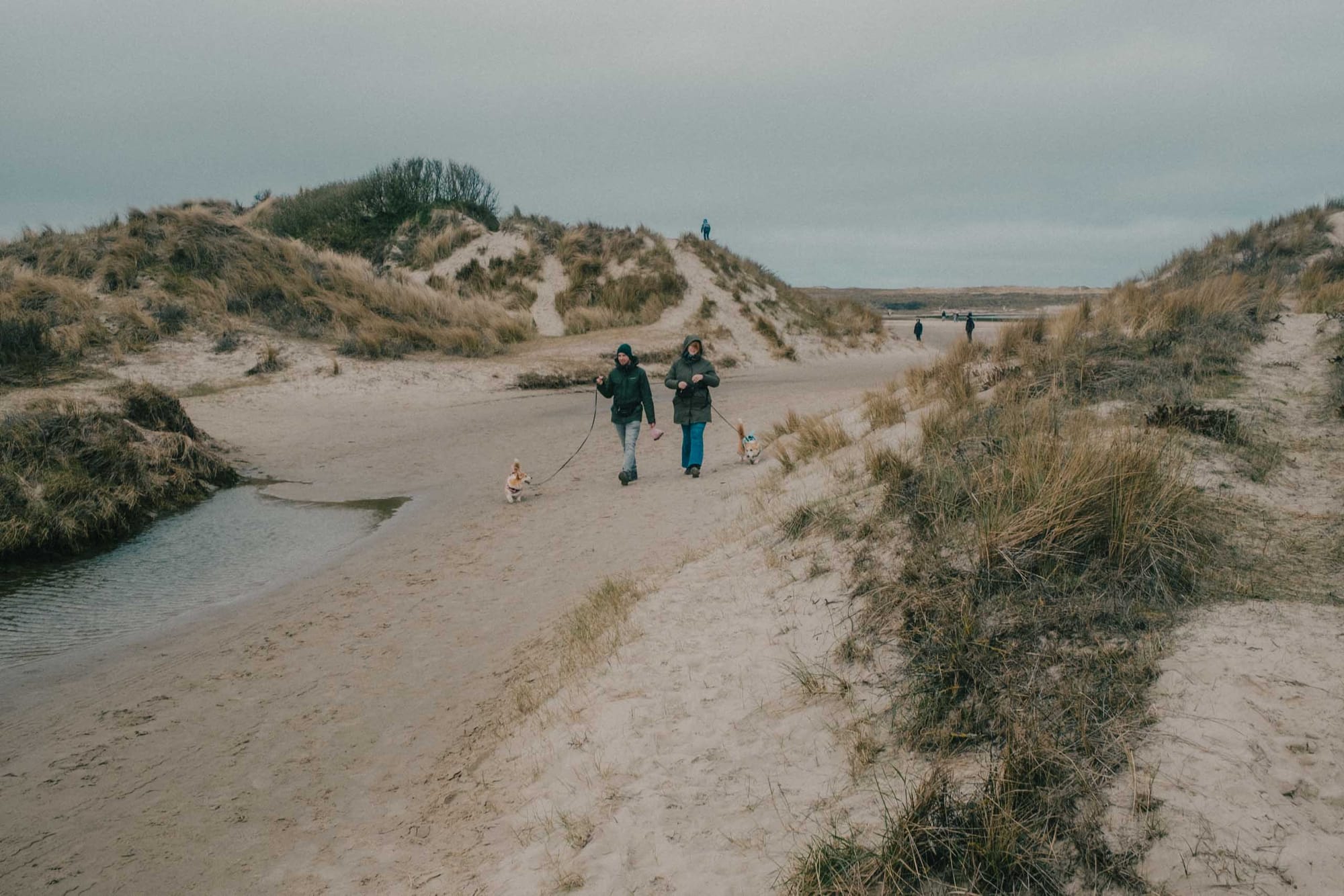
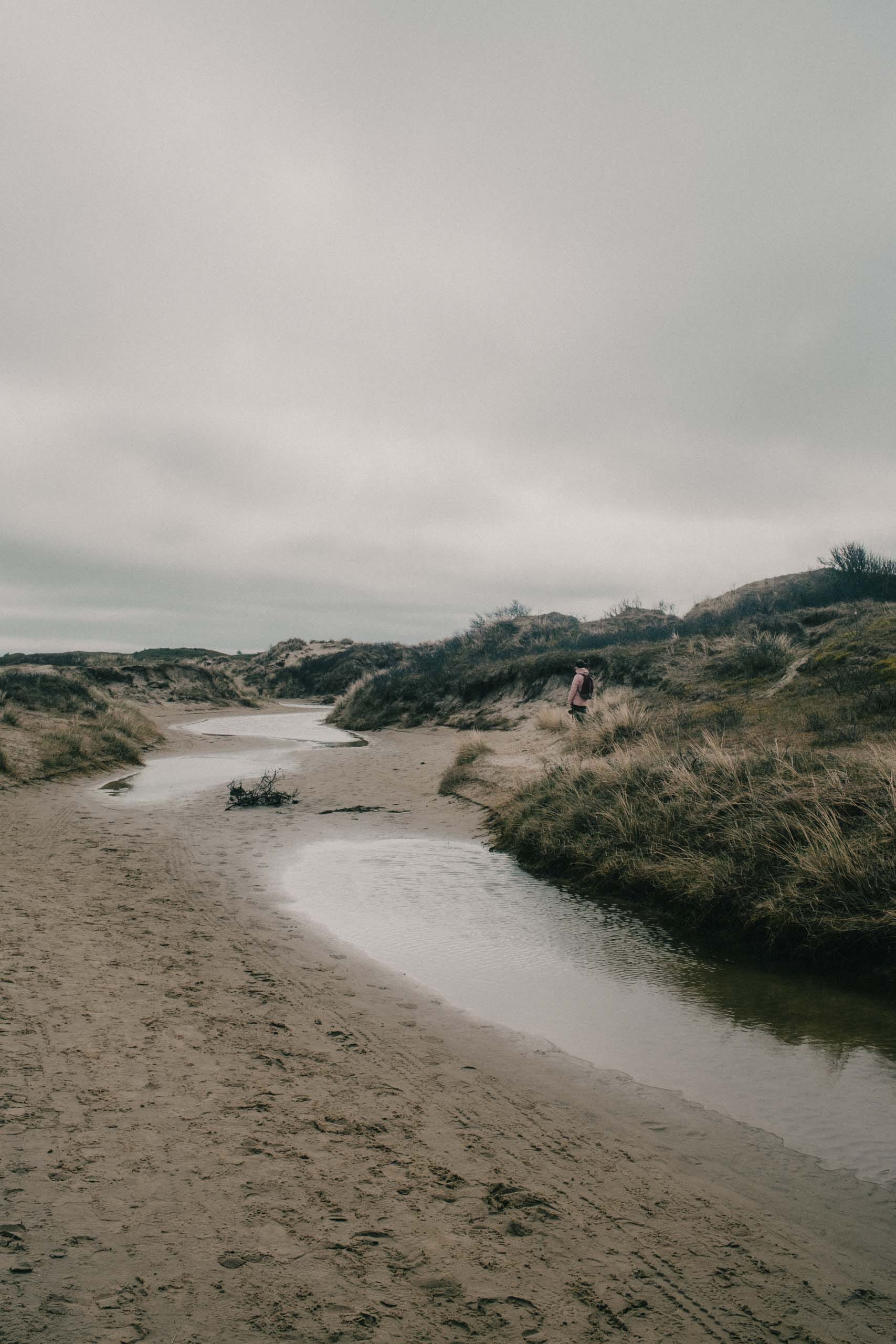
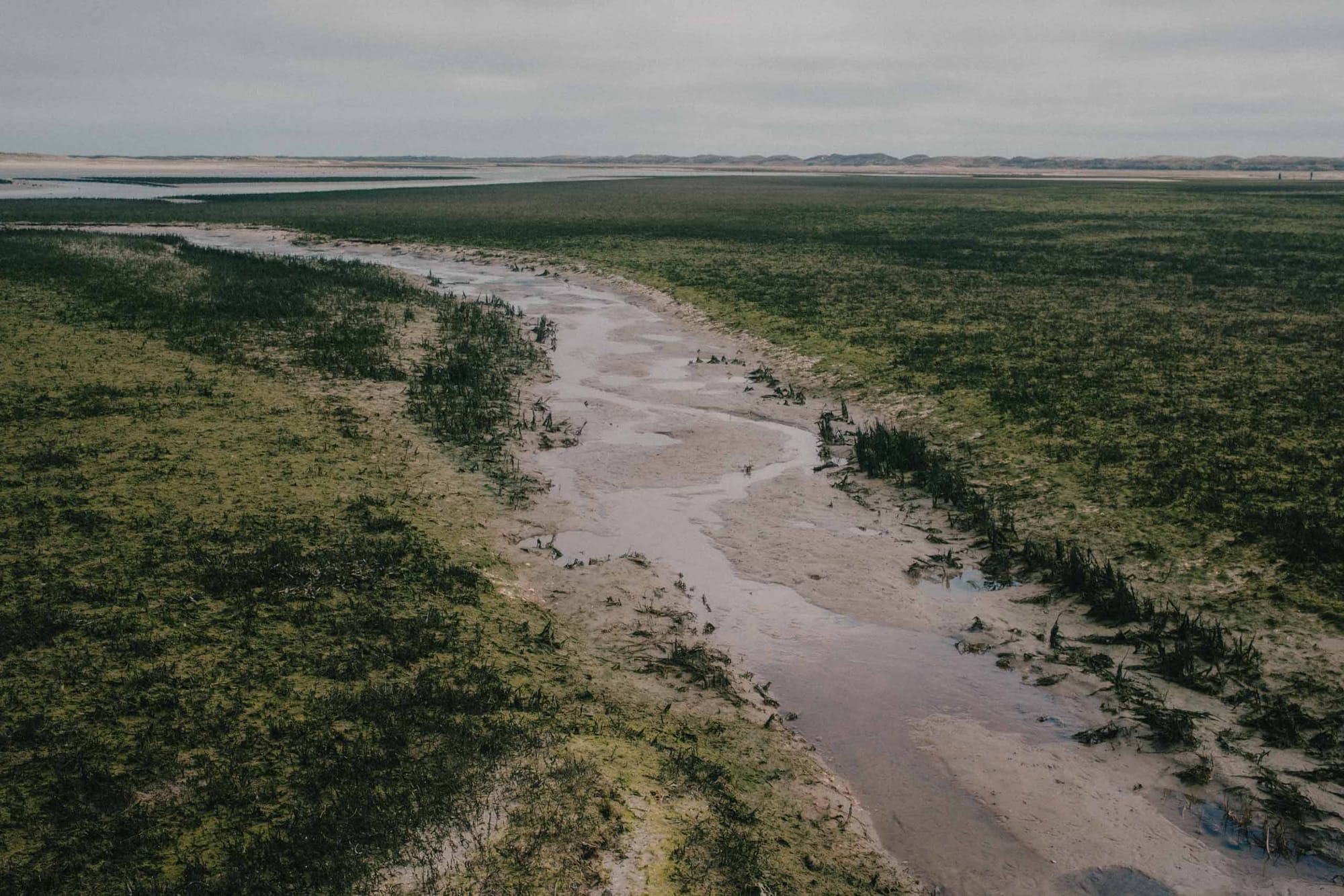
It's a perpetual liminal space that feels unassuming at first. Look a little closer though, and it's borderline unwelcoming to larger mammals, humans included. The entire middle section, dry during my visit, is reserved for birds. It makes sense to me. They can hang out there safely from potential threats and breed in peace.
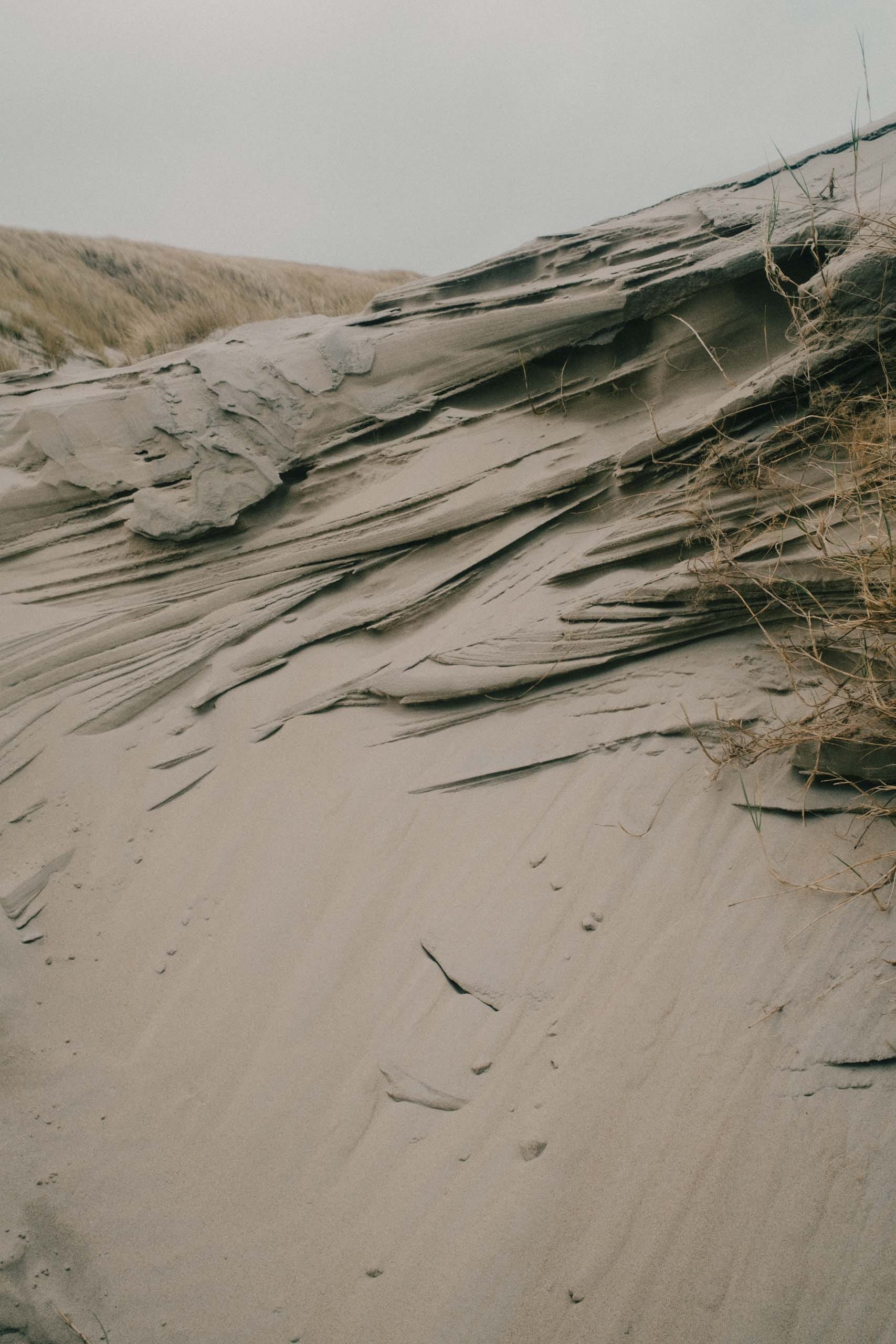
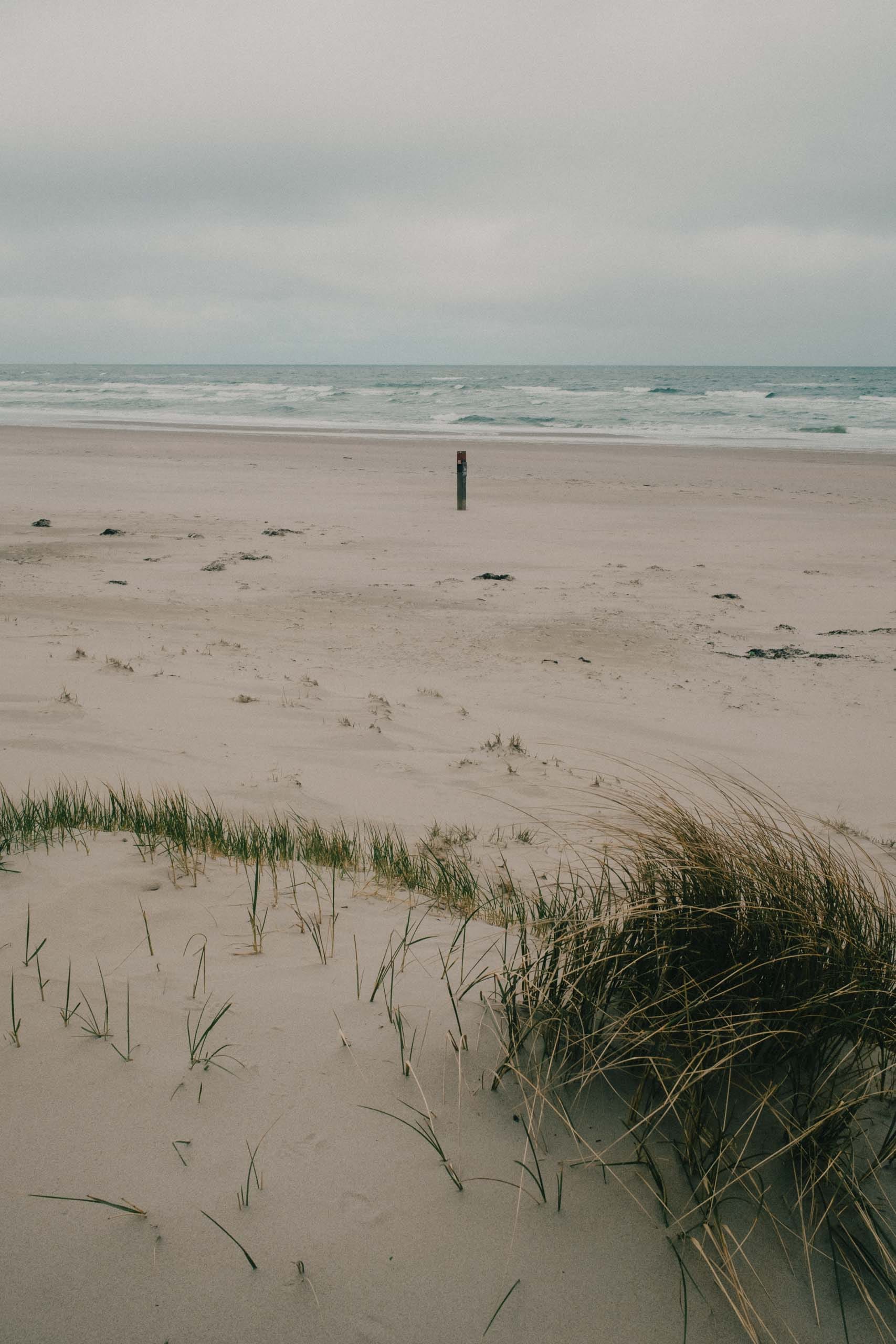
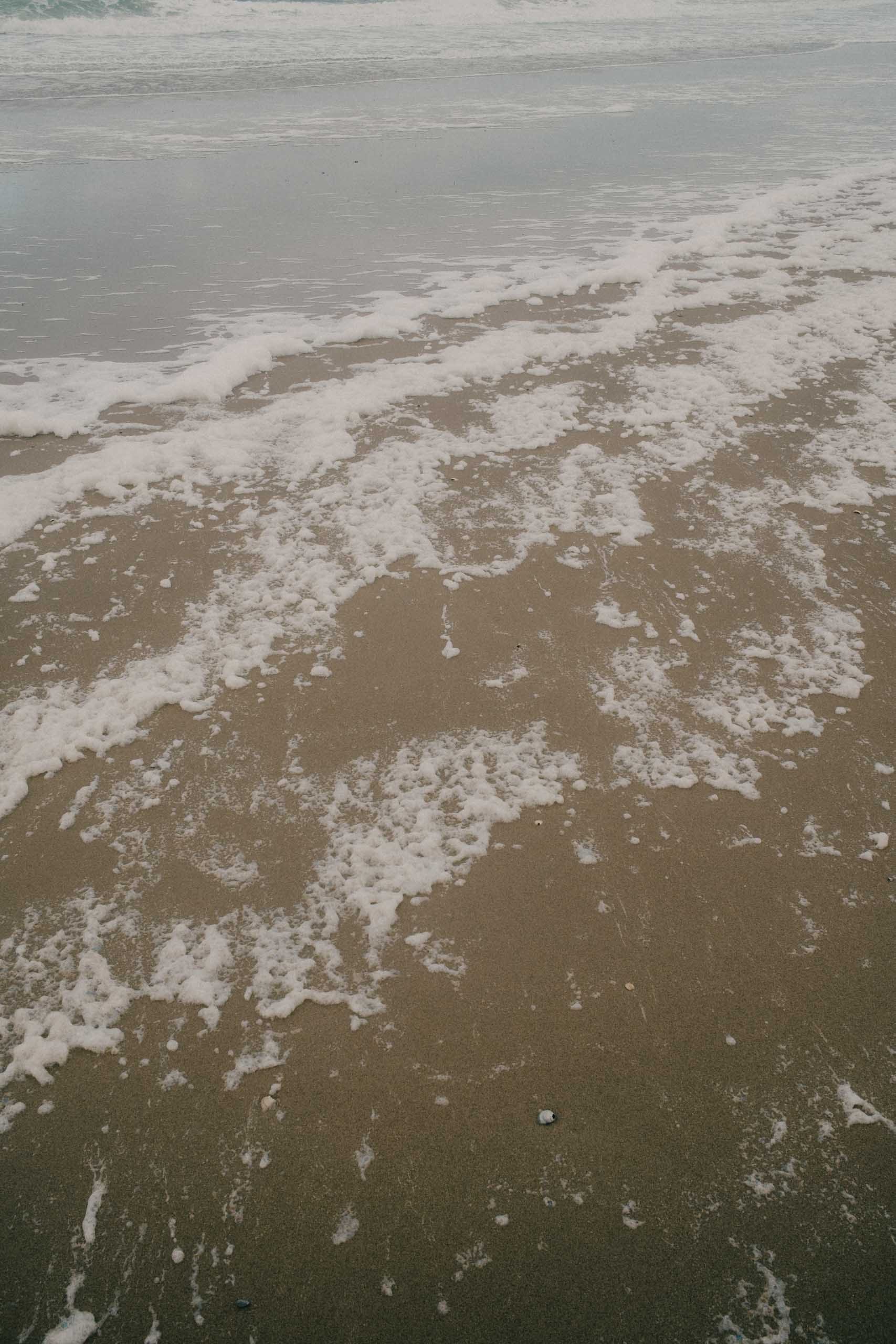
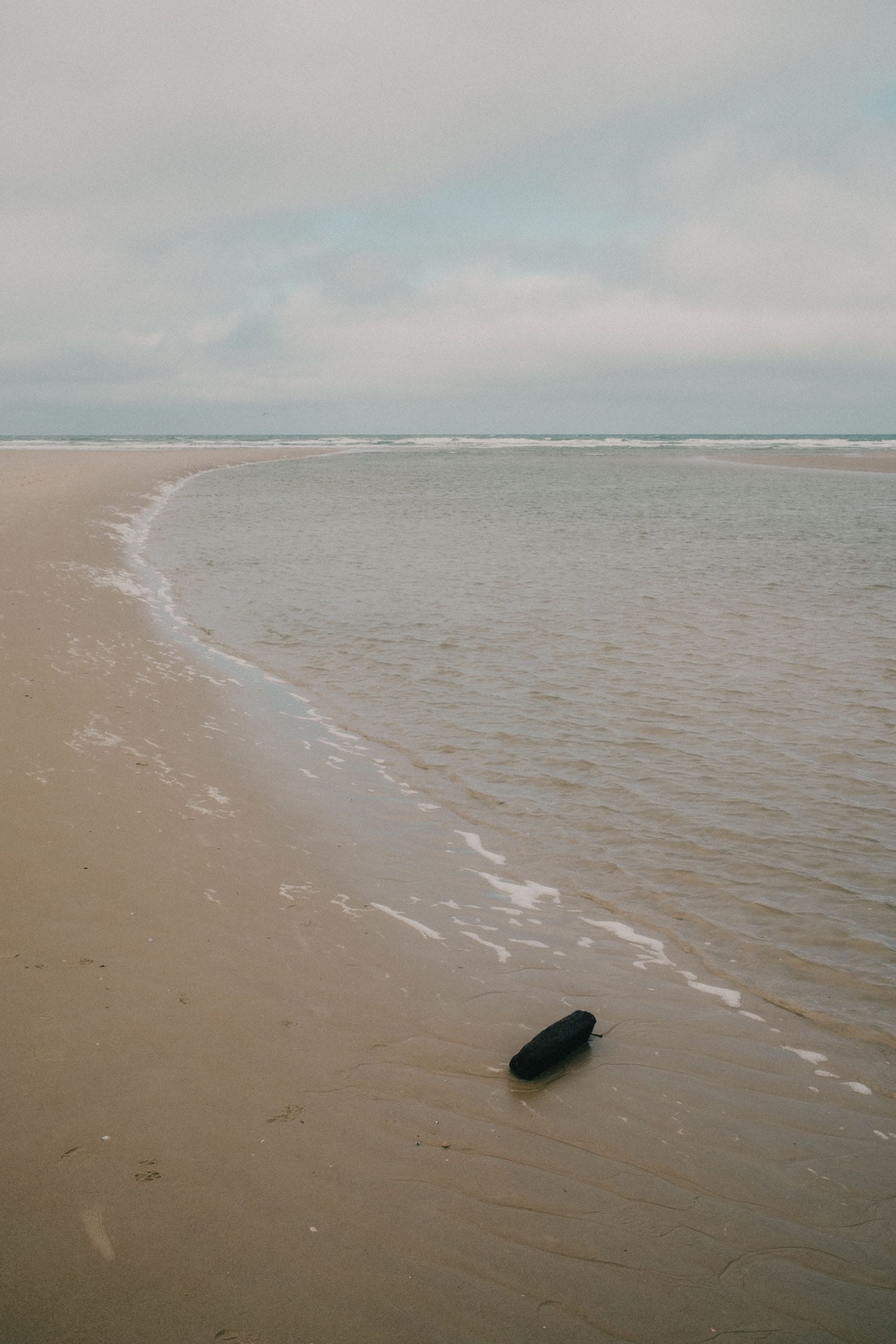
I make my way across the land until I reach the sea. The moment I stick my head around the corner of the dunes near the coast, I am sandblasted. The North Sea wind is completely unobstructed since the United Kingdom, and you can feel how it was able to build up power. The waves are pounding on the beach in an unwelcoming manner this early in April. I wonder what it's like in summer. If the area is a little easier to hang out in. But mostly, I find myself unsurprised the dikes didn't hold a century ago, if this is the raw power they had to face.
Just you, me, and some occasional notes from the field. No spam.
Join the conversation