
The Oosterschelde Storm Surge Barrier: a perpetual work in progress

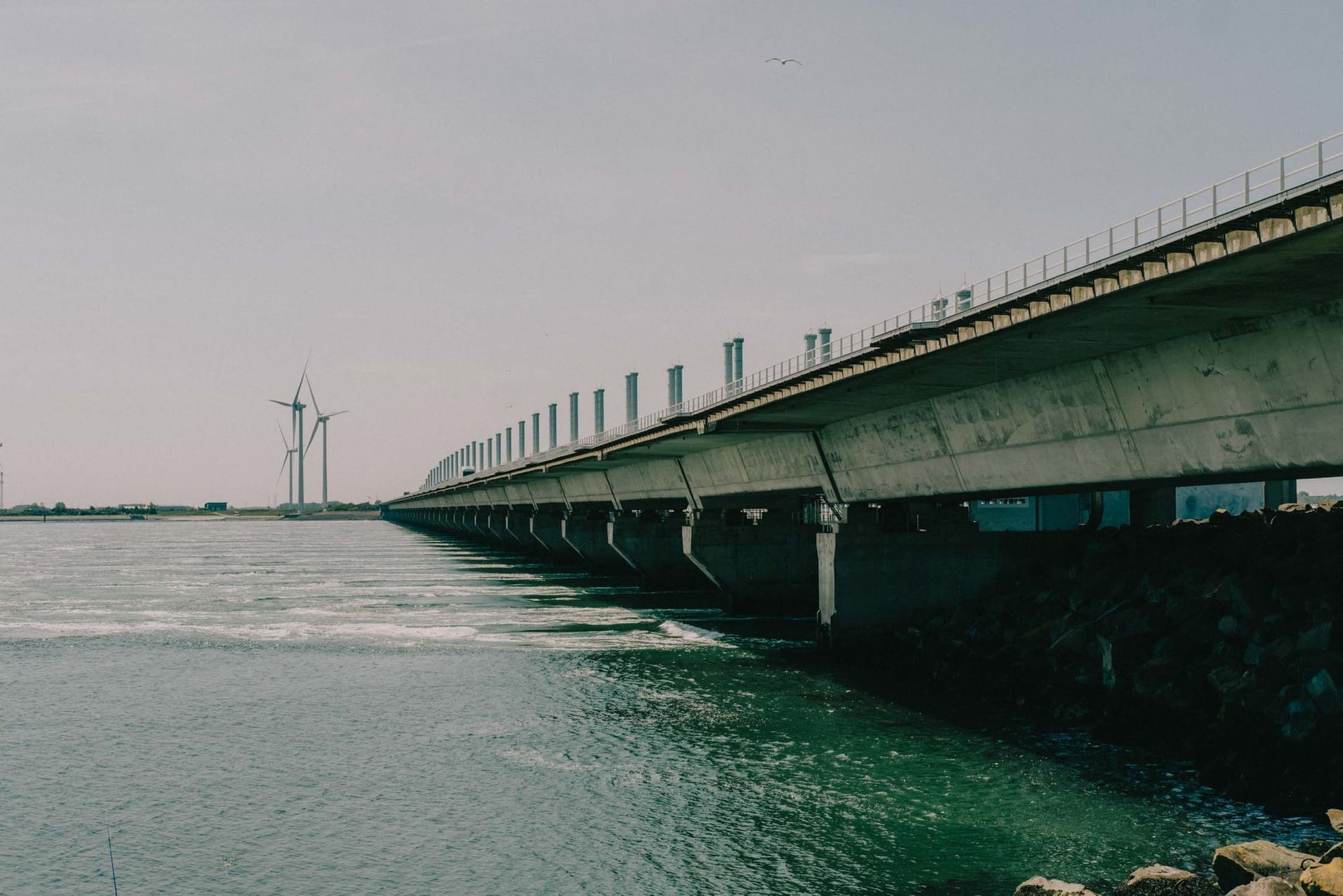
If the ocean tends to flood your land during storms, you tend to build a wall to protect yourself from that. If the rivers flowing through your country need a place to drain into, you tend to build gullies. But what if those places are the same, and either goal needs to be met concurrently? That's when you build a storm surge barrier.
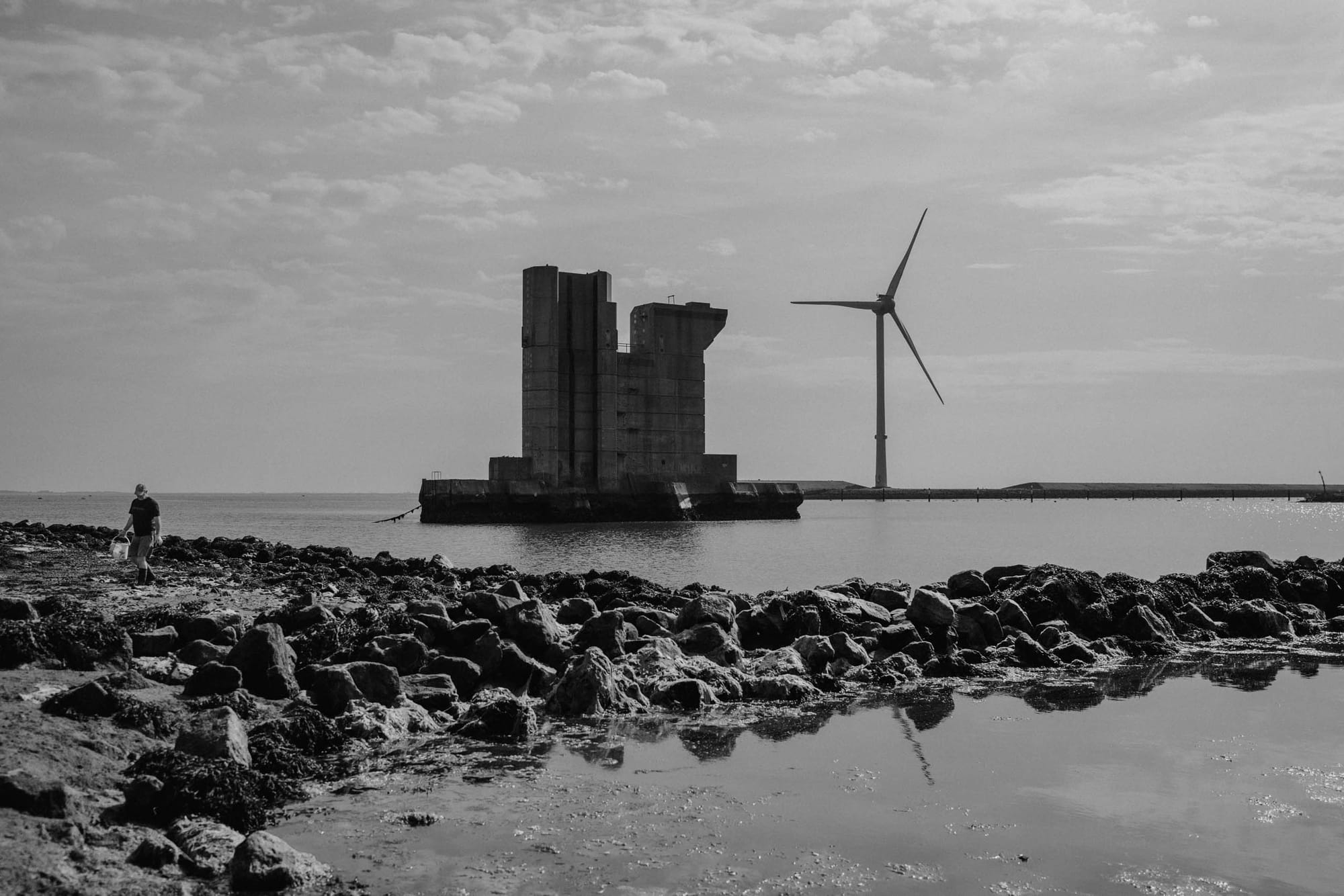
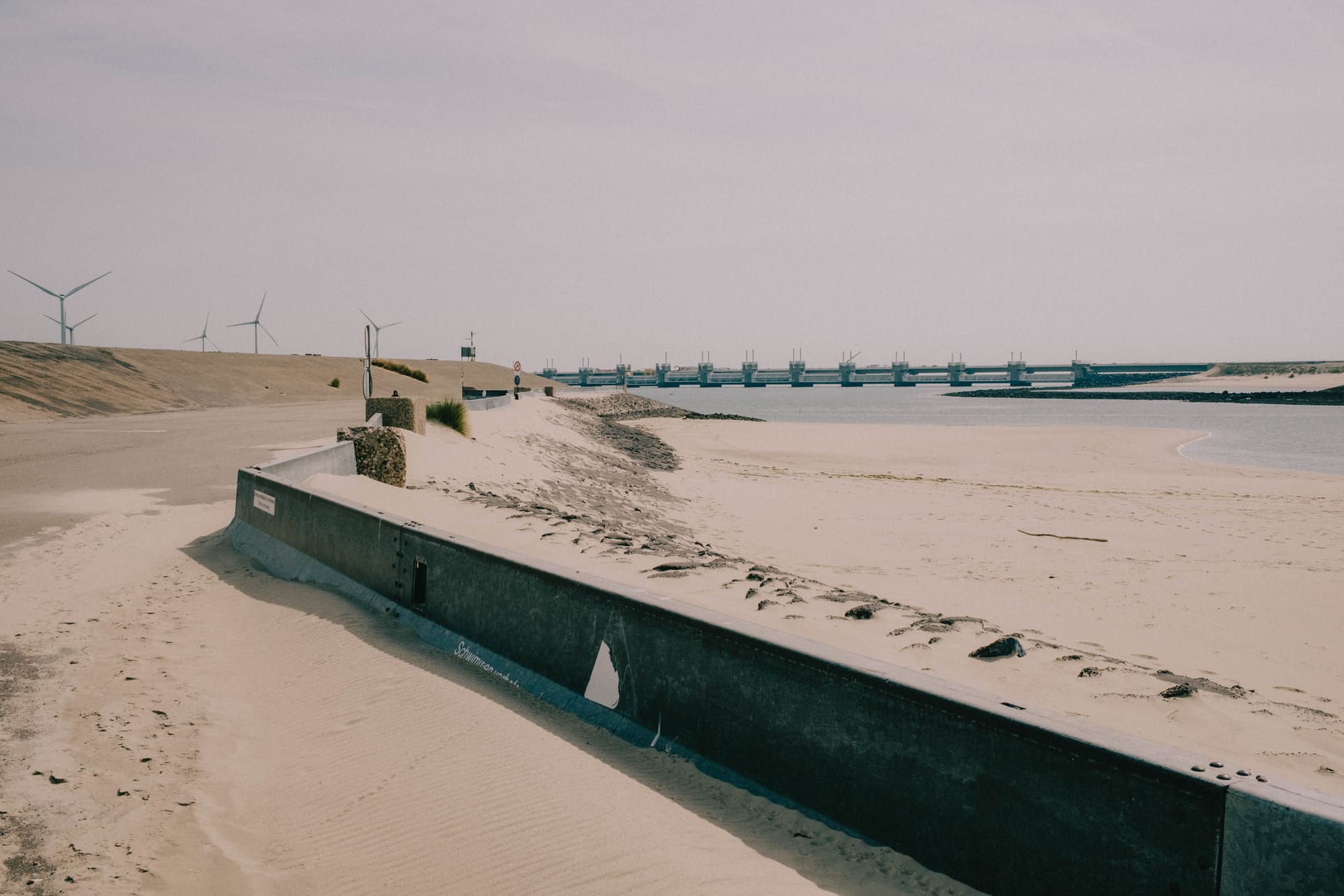
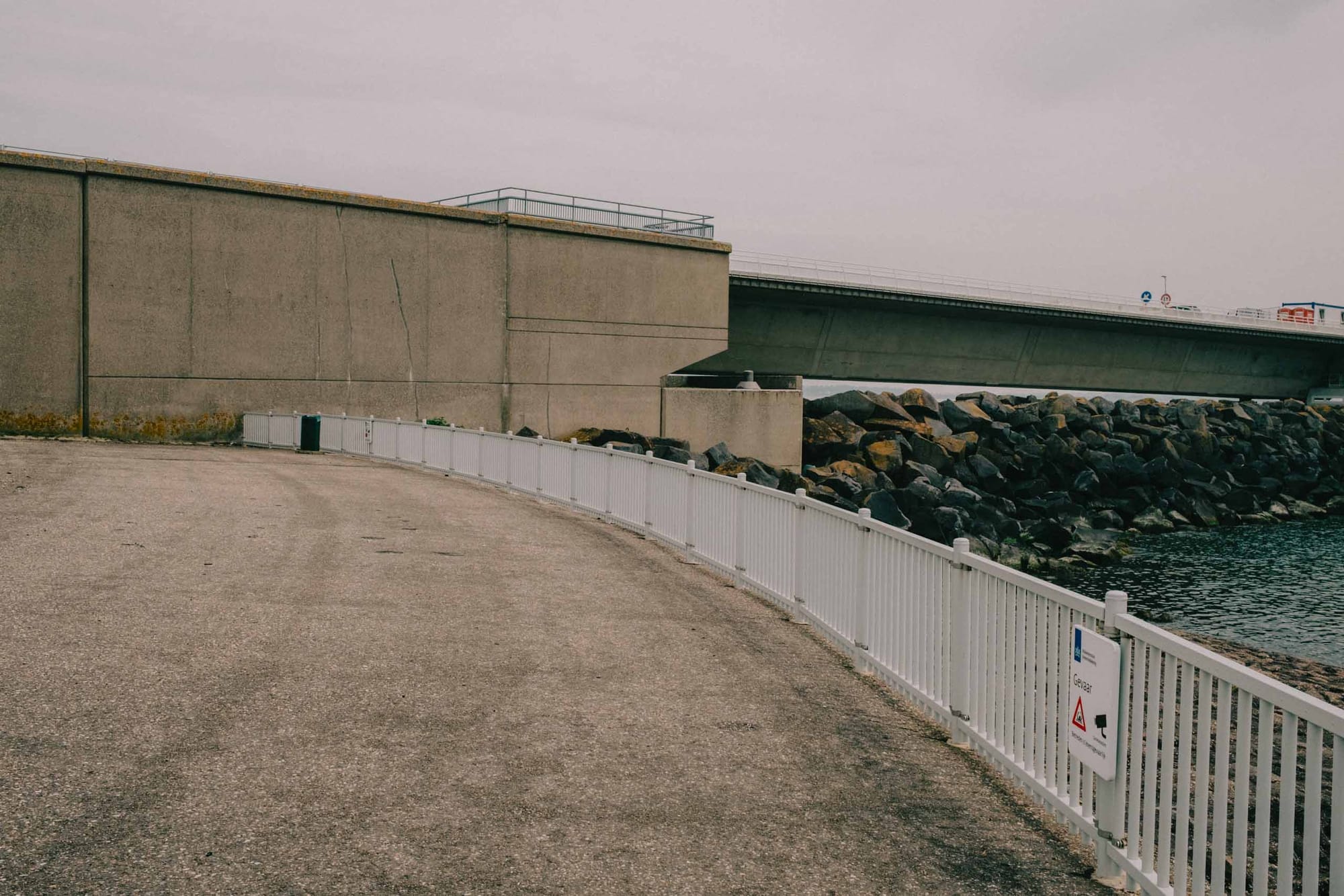
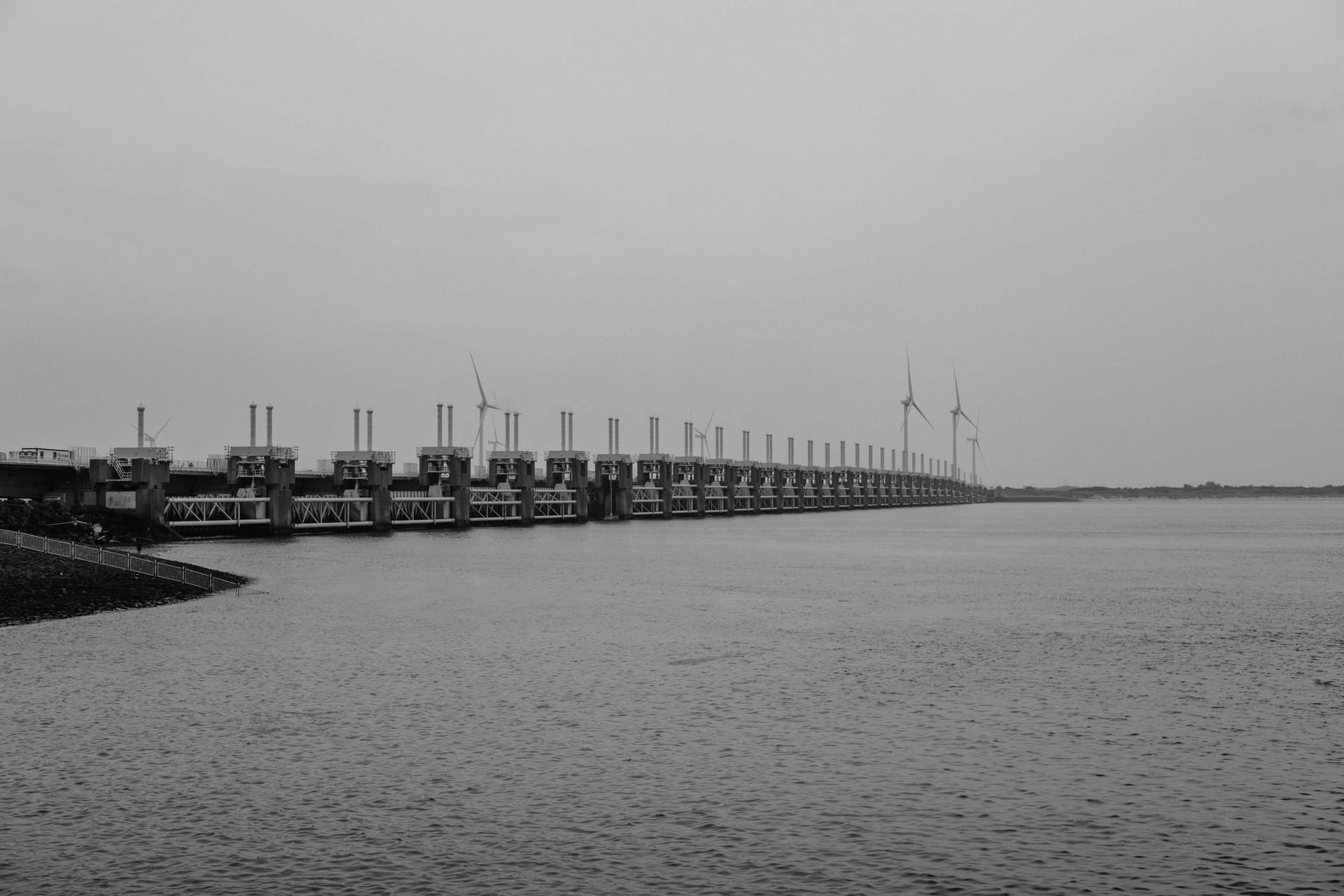
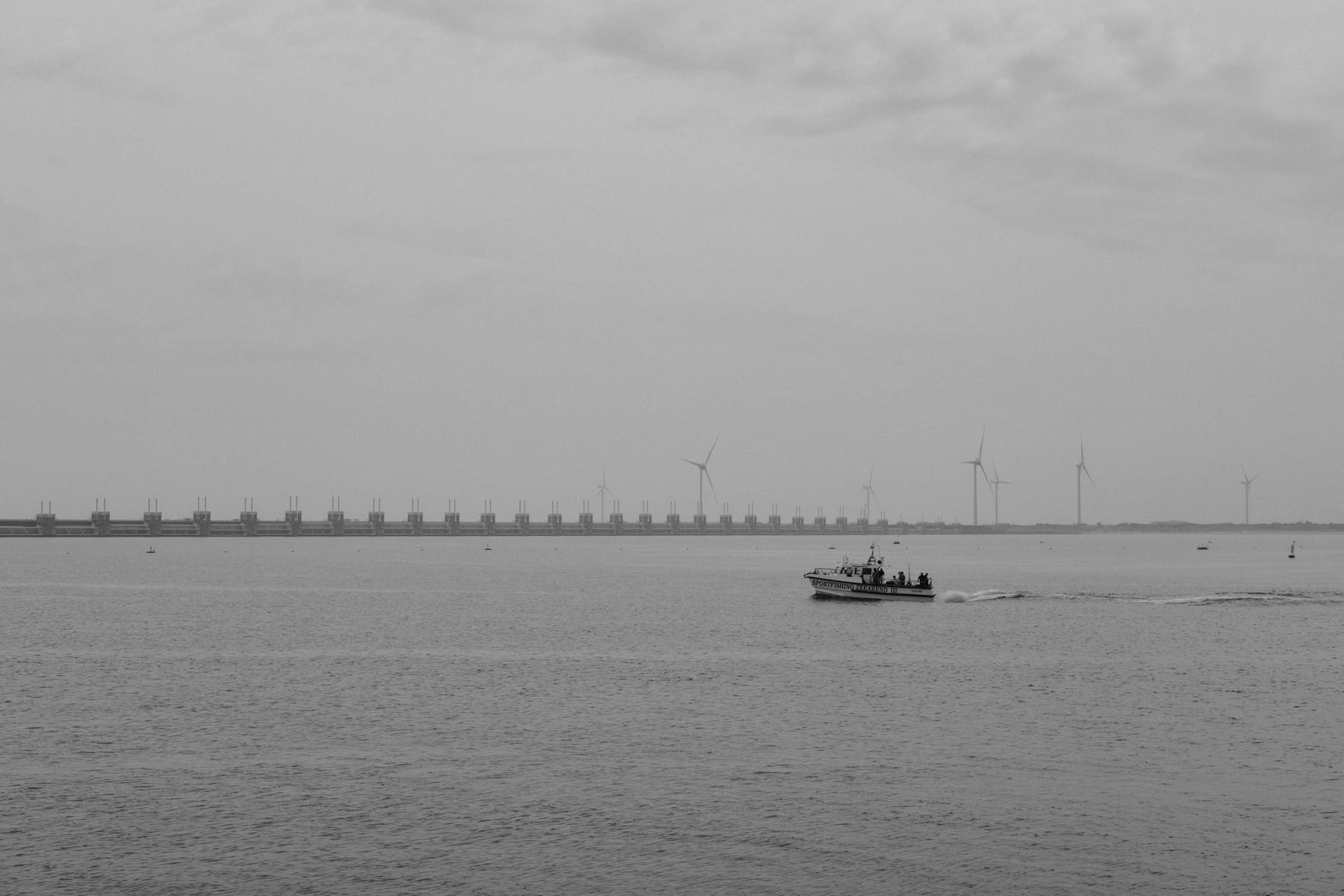
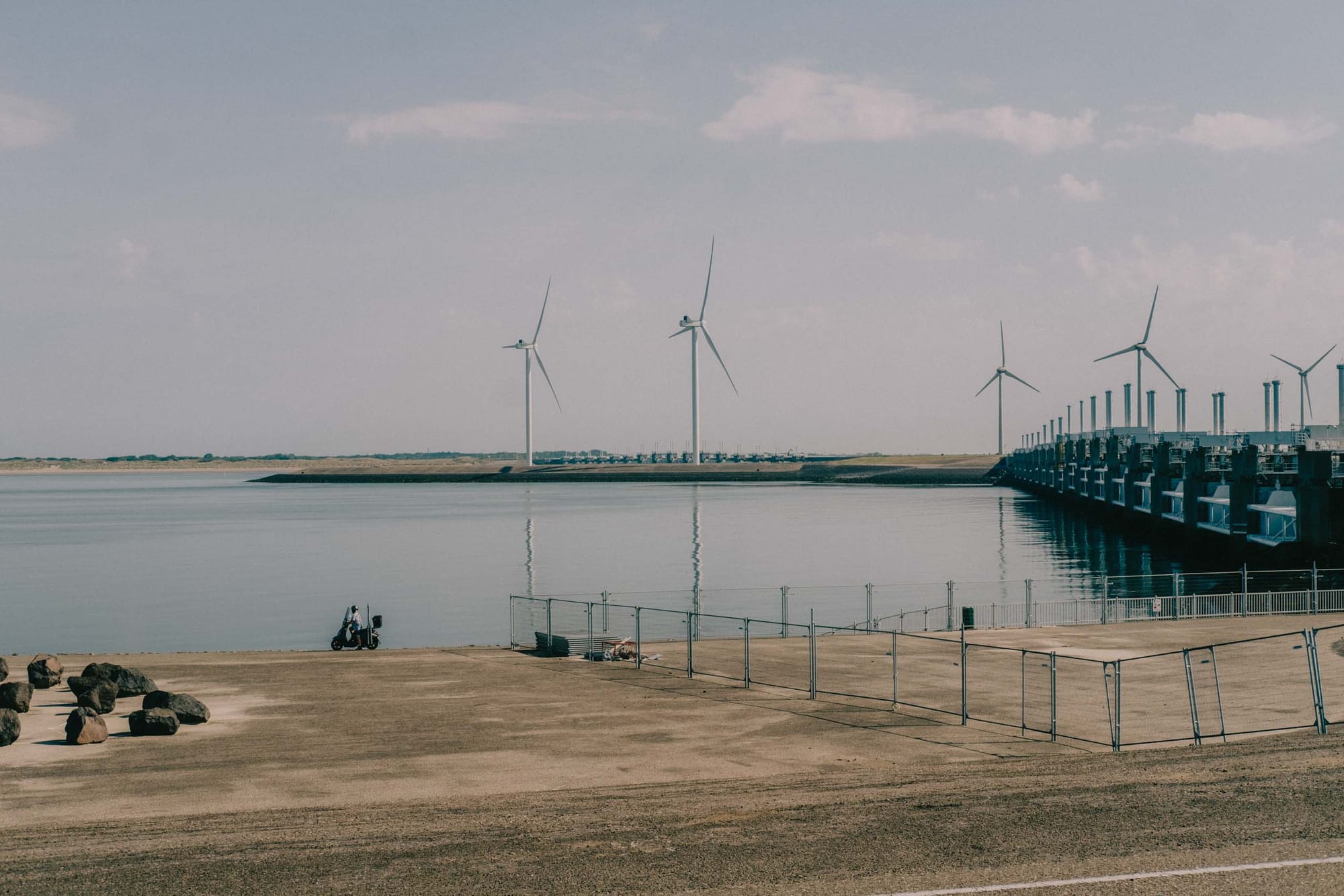
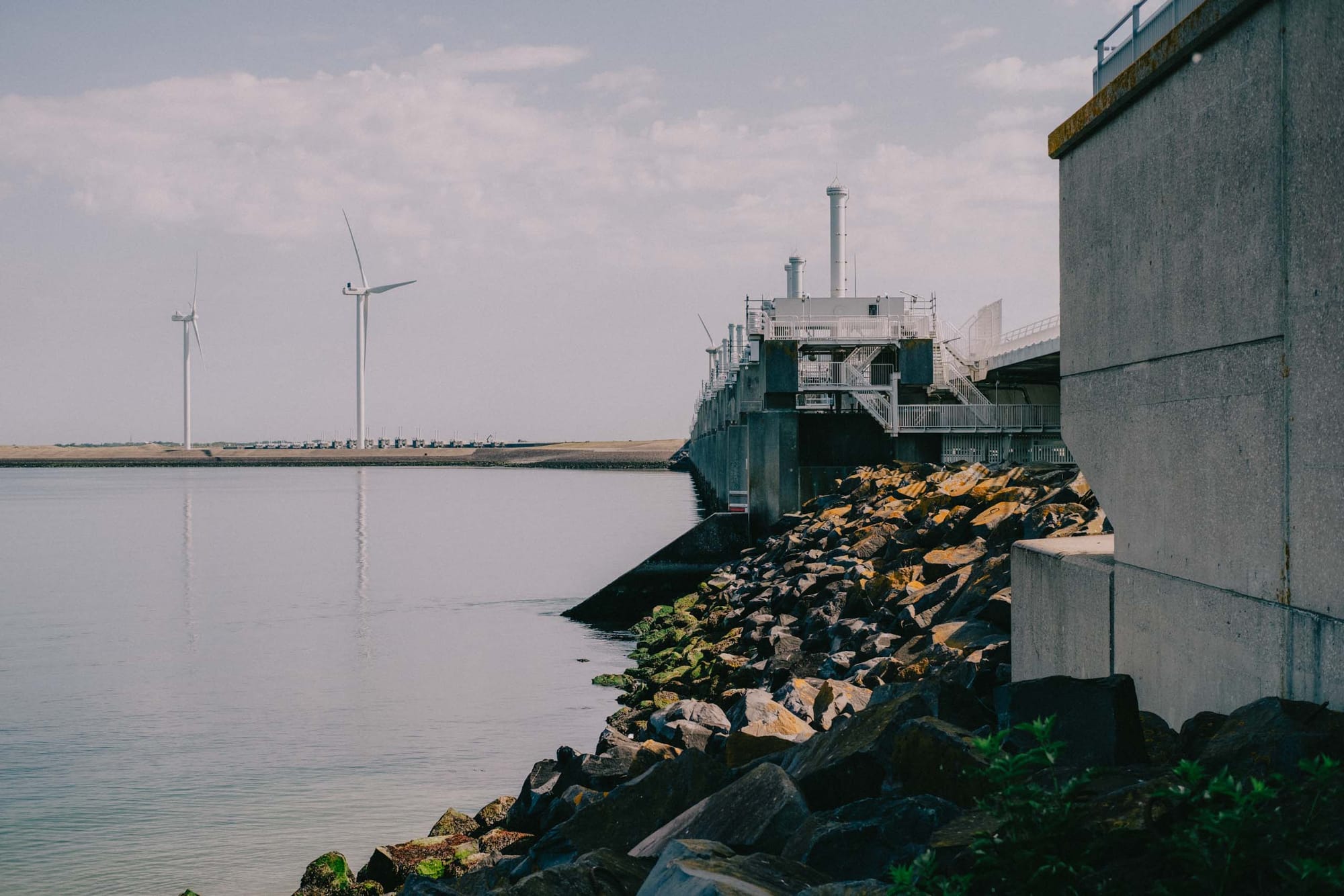
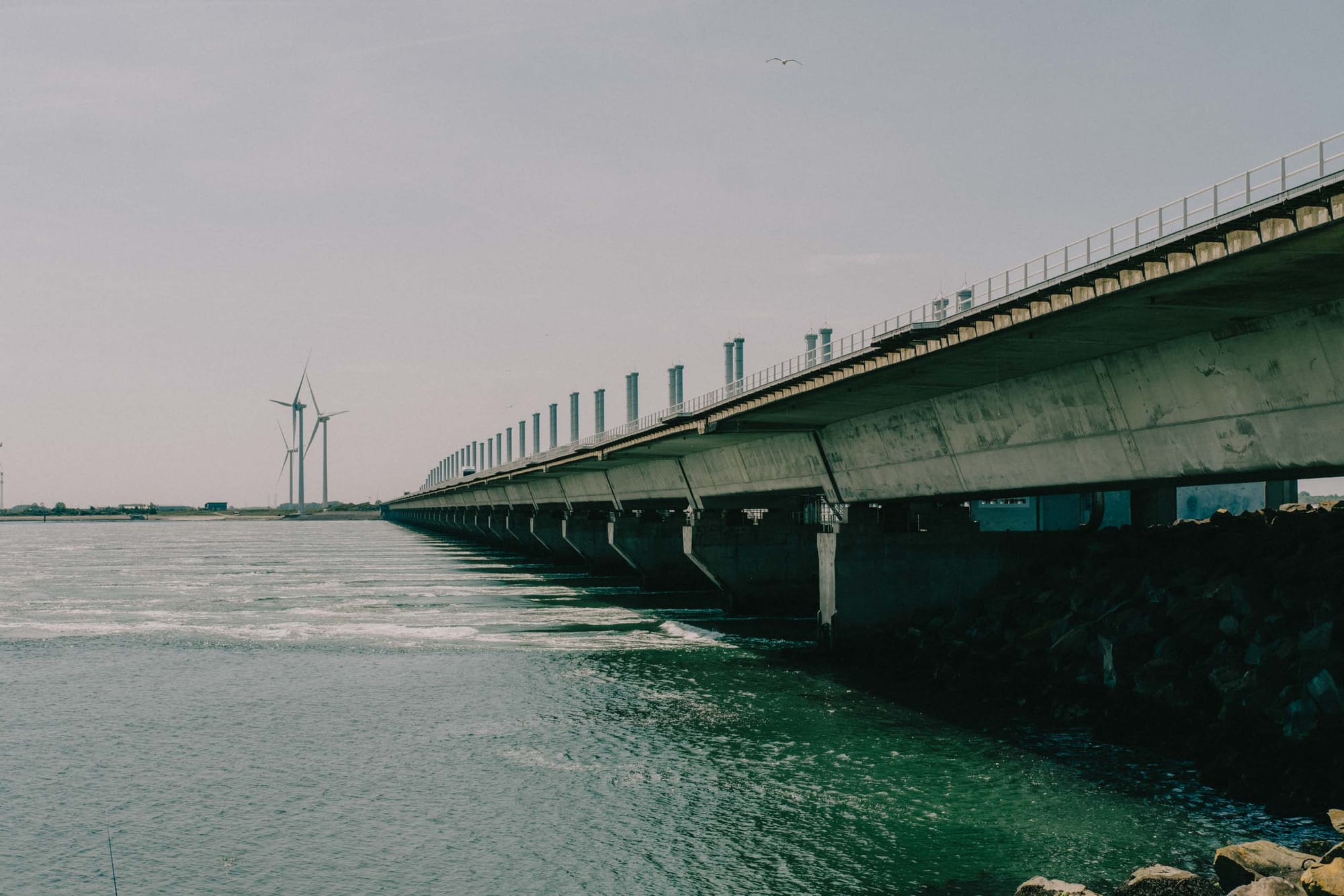
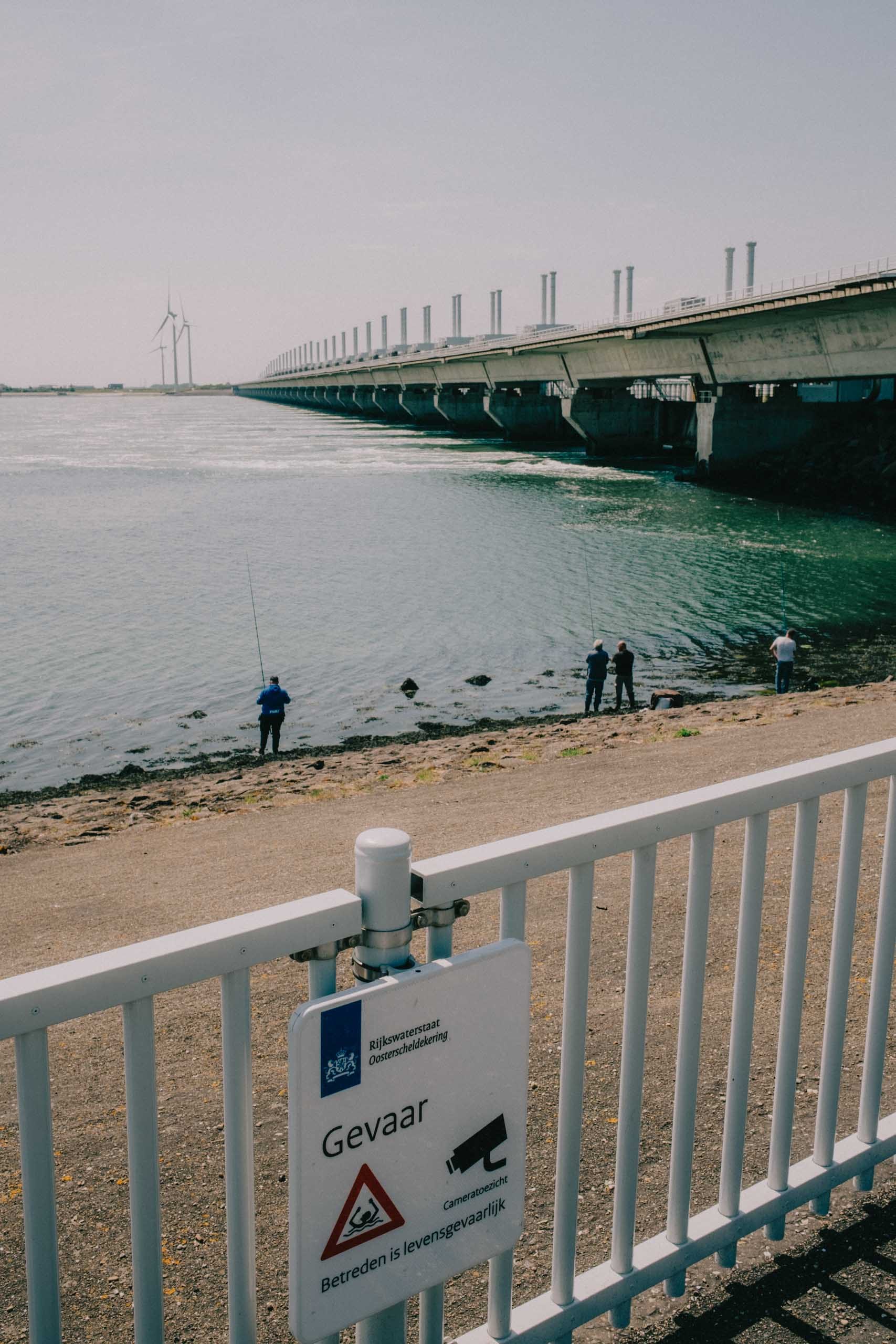
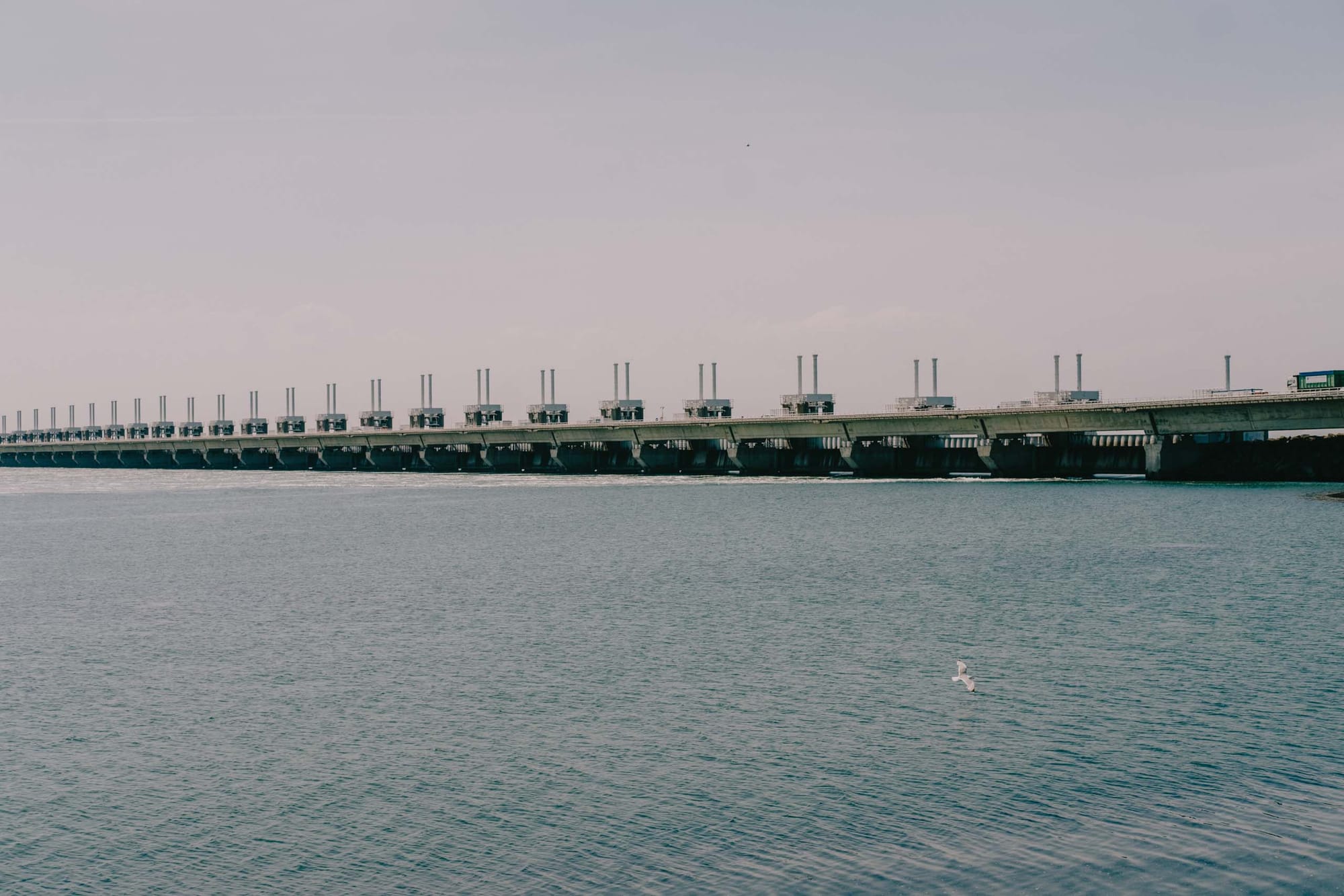
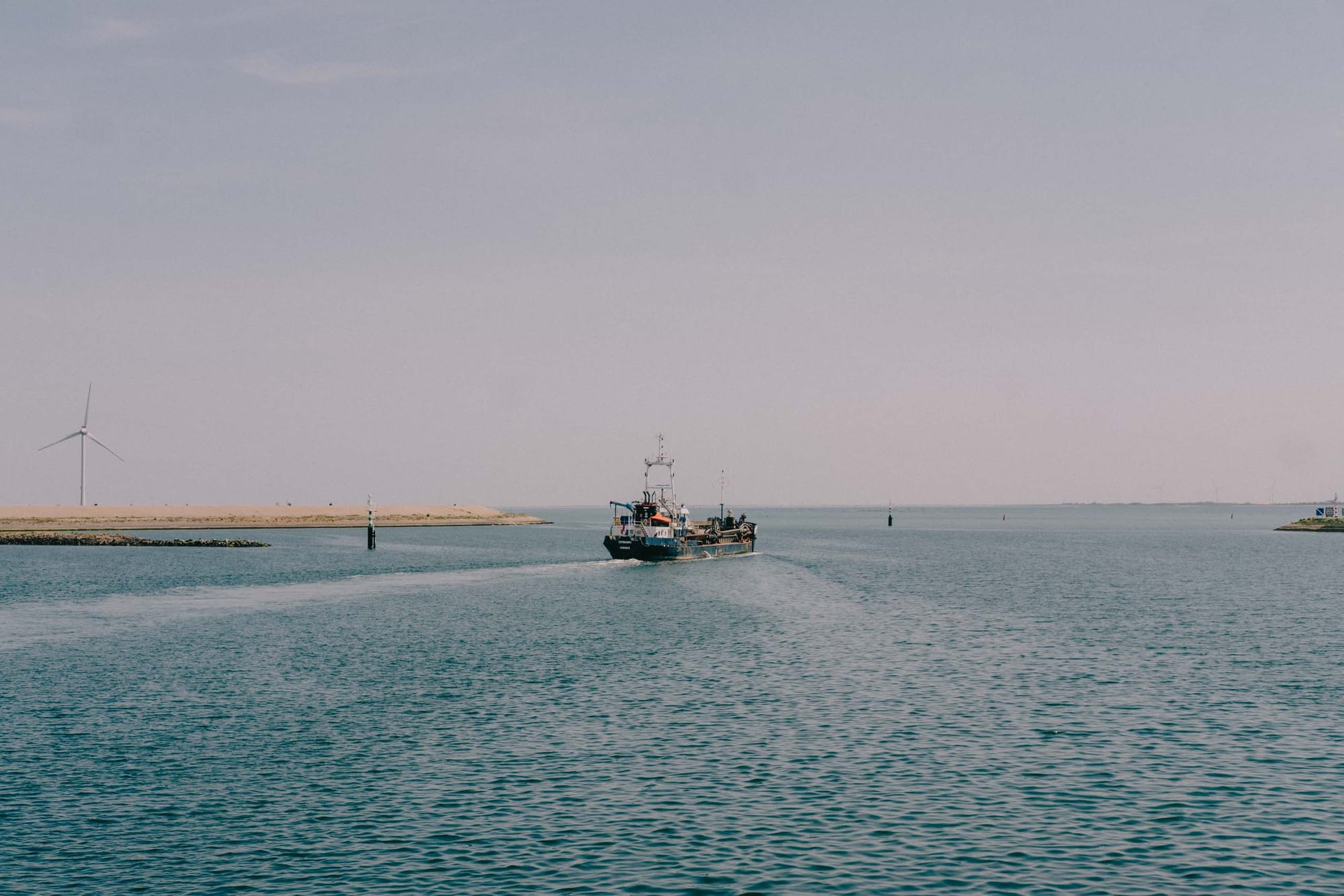
What is it? A dam? A sluice? A road? A bridge? How about all of the above? That's the Oosterscheldekering in The Netherlands' Zeeland province. Once planned to be a dam, but after protests from fishermen, conservationists, and the mussel and oyster industry, a compromise was reached. The Oosterschelde is one of The Netherlands' last remaining tidal estuaries and to this day remains connected to the North Sea through the Oosterschelde Storm Surge Barrier.
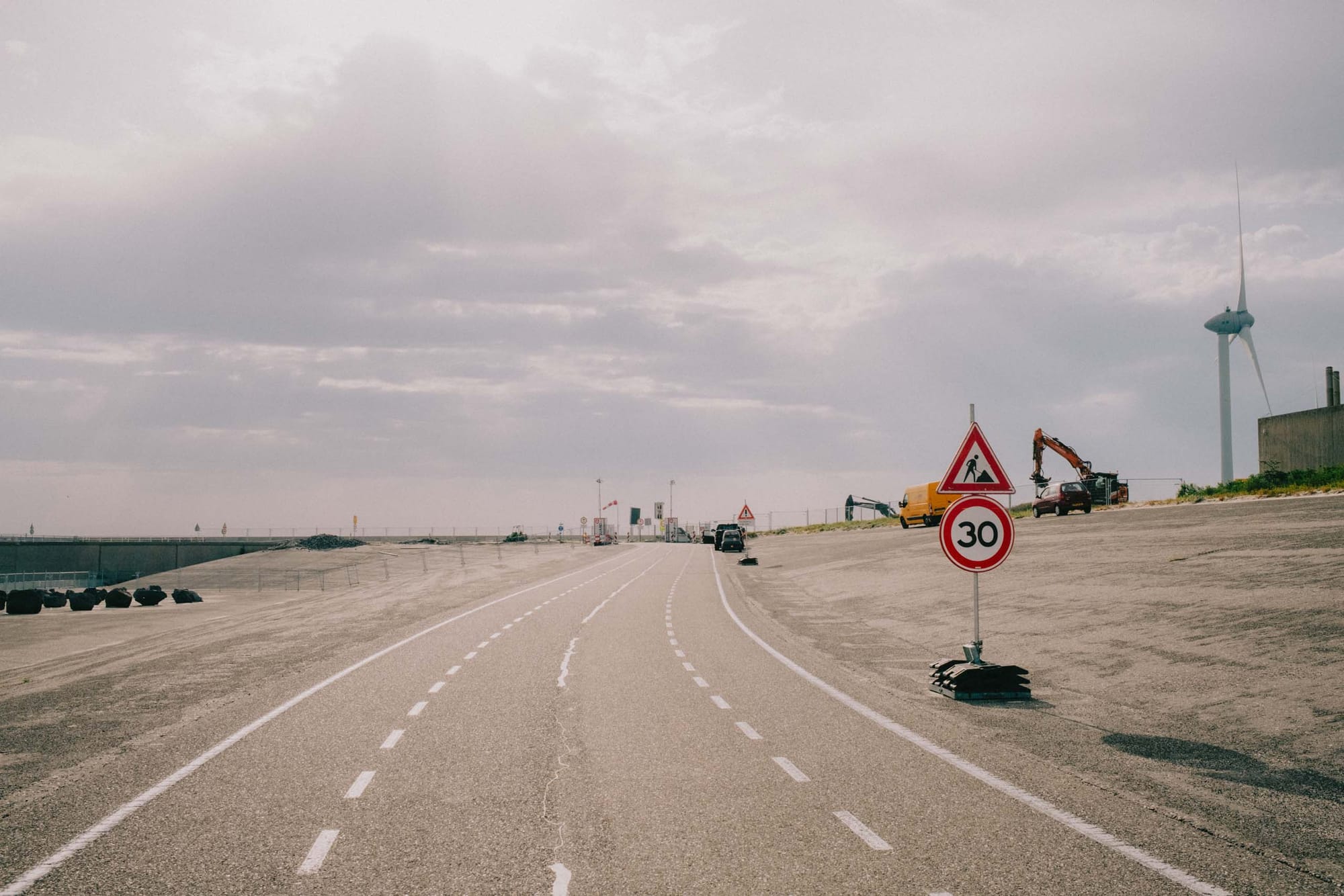
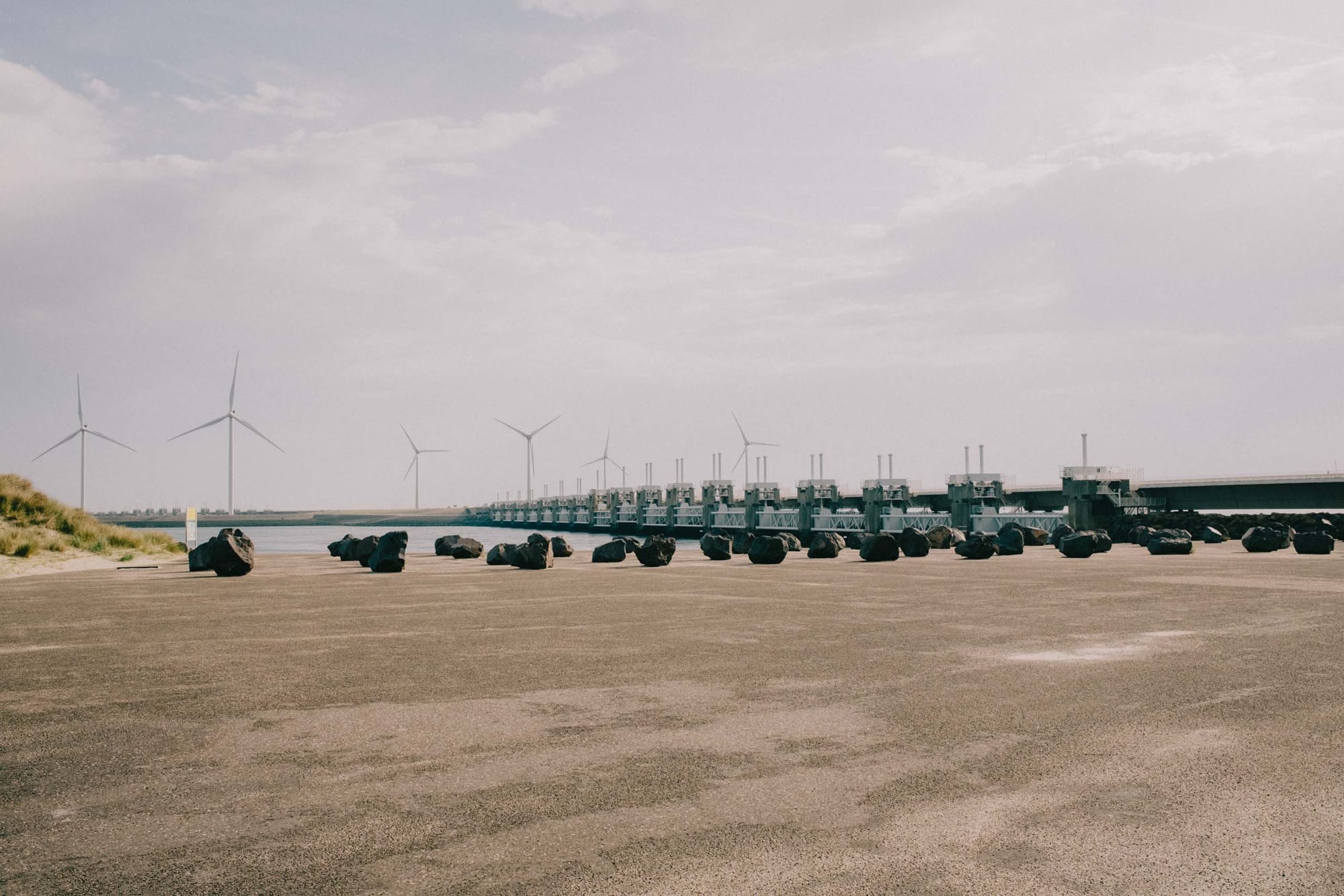
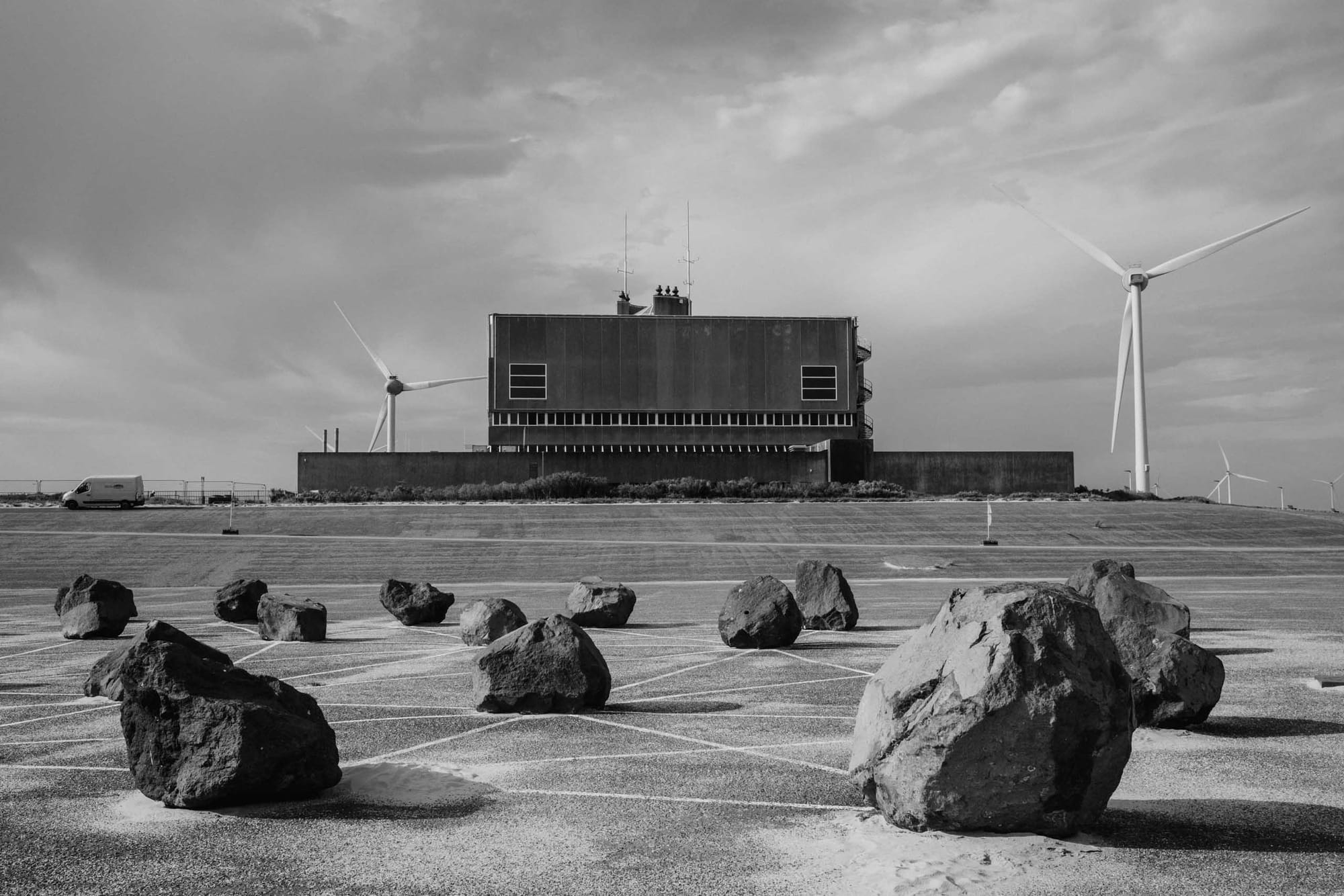
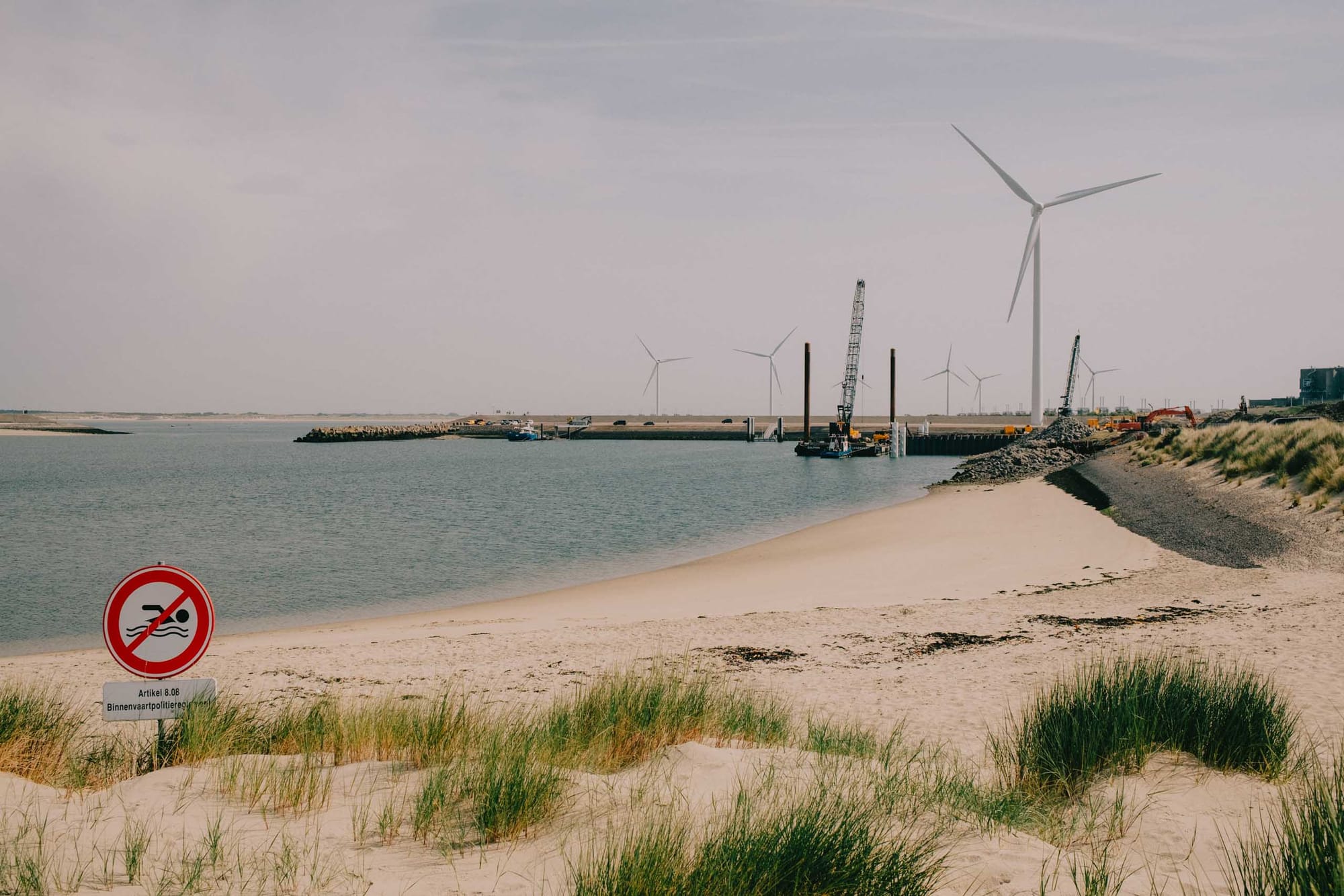
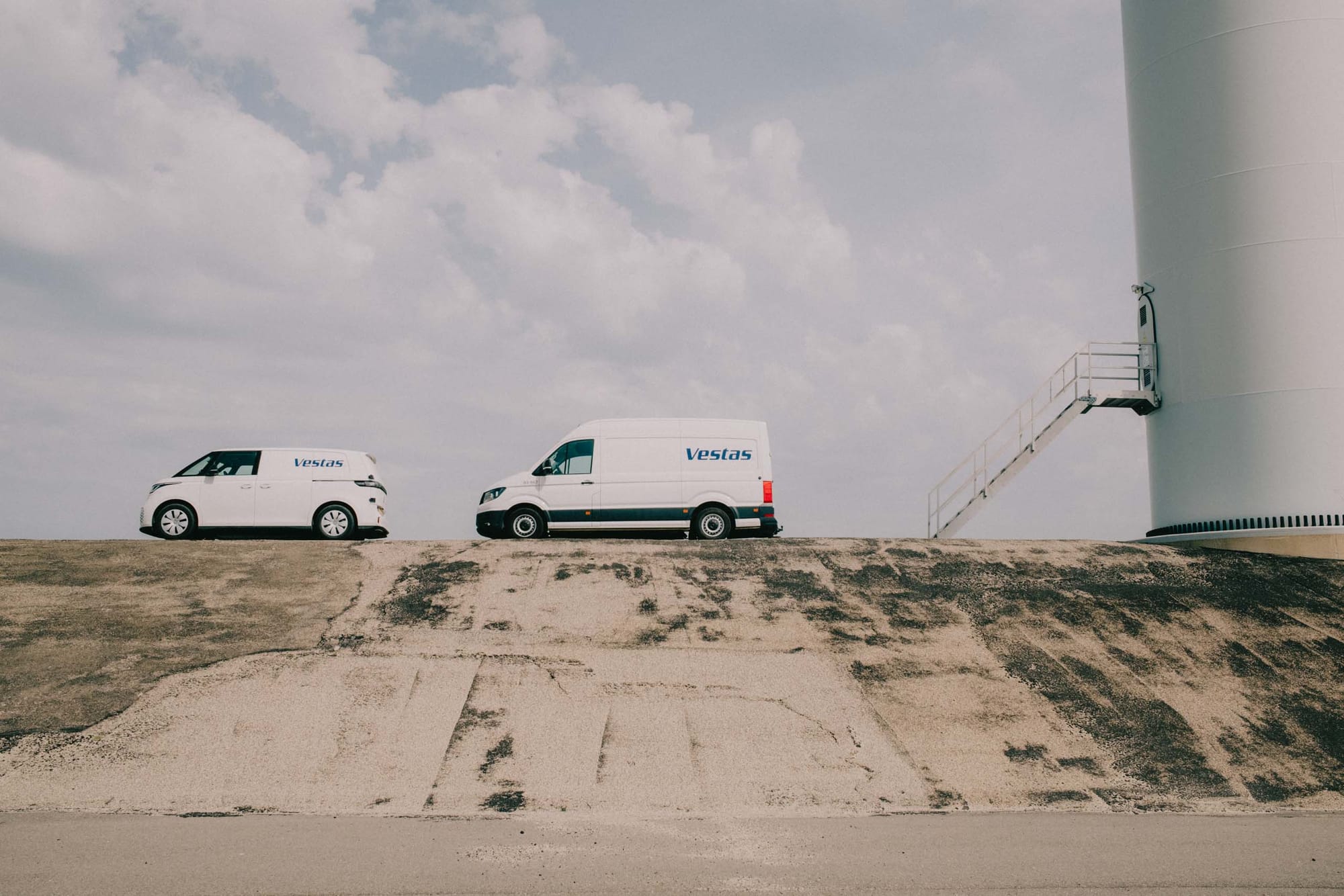
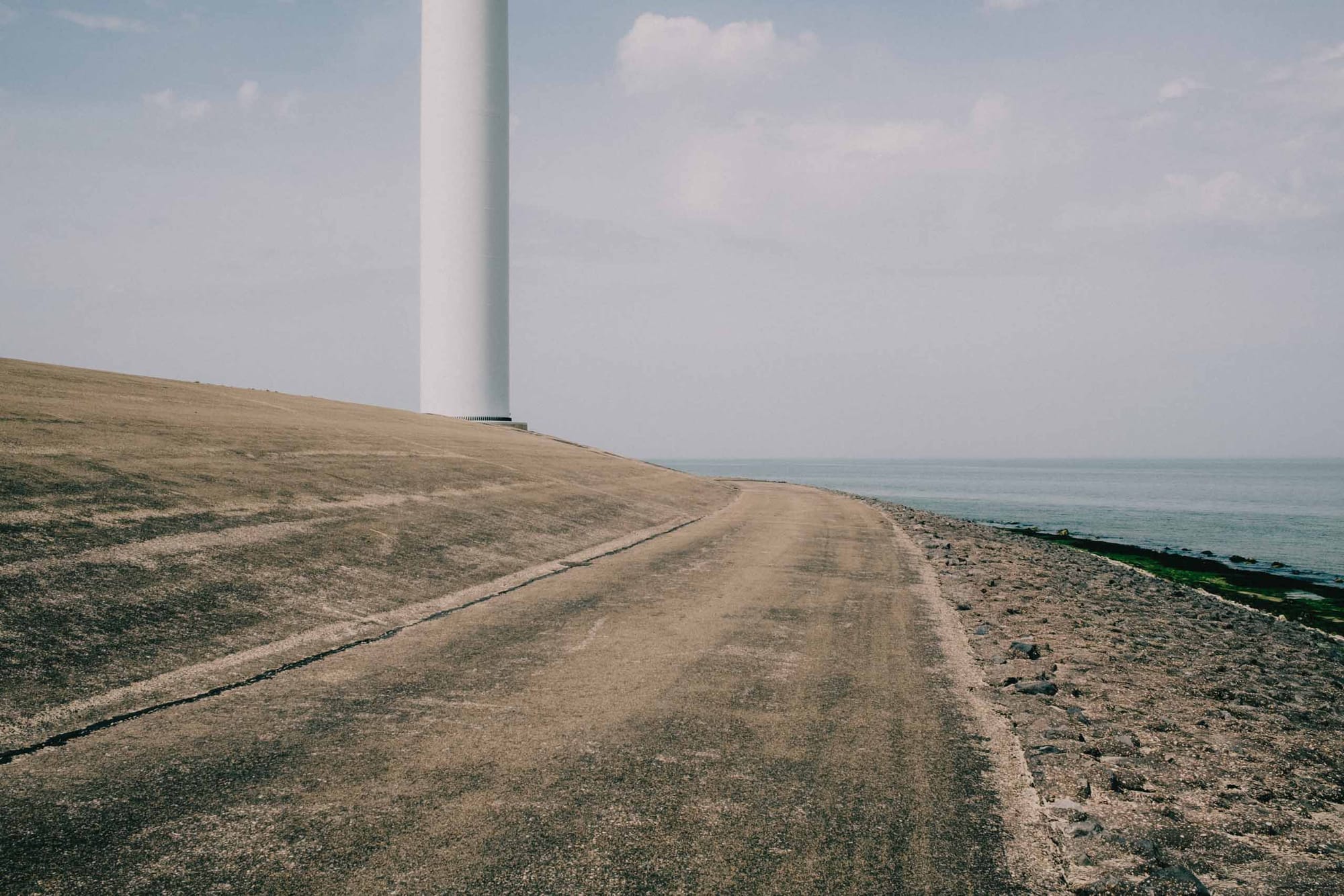
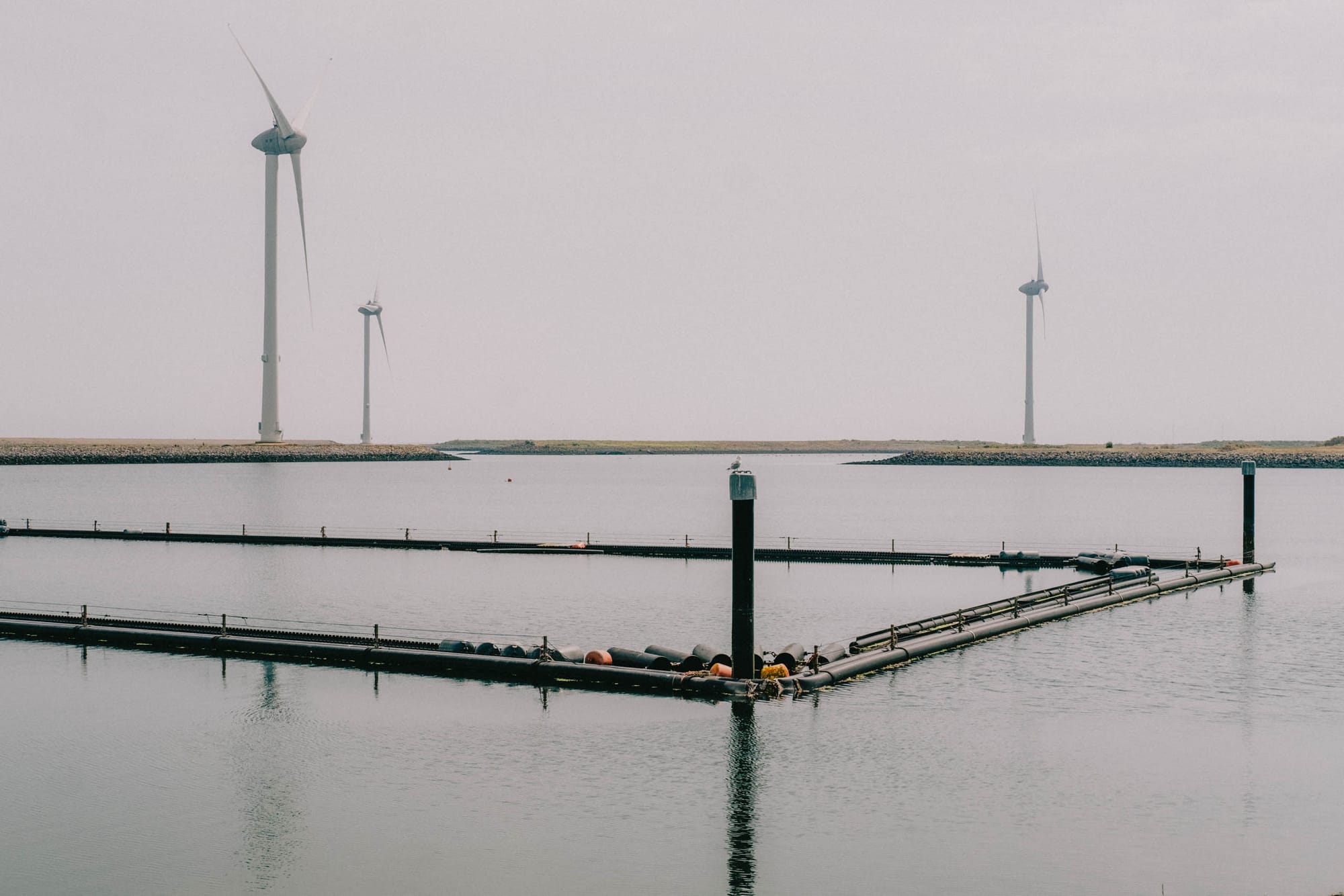
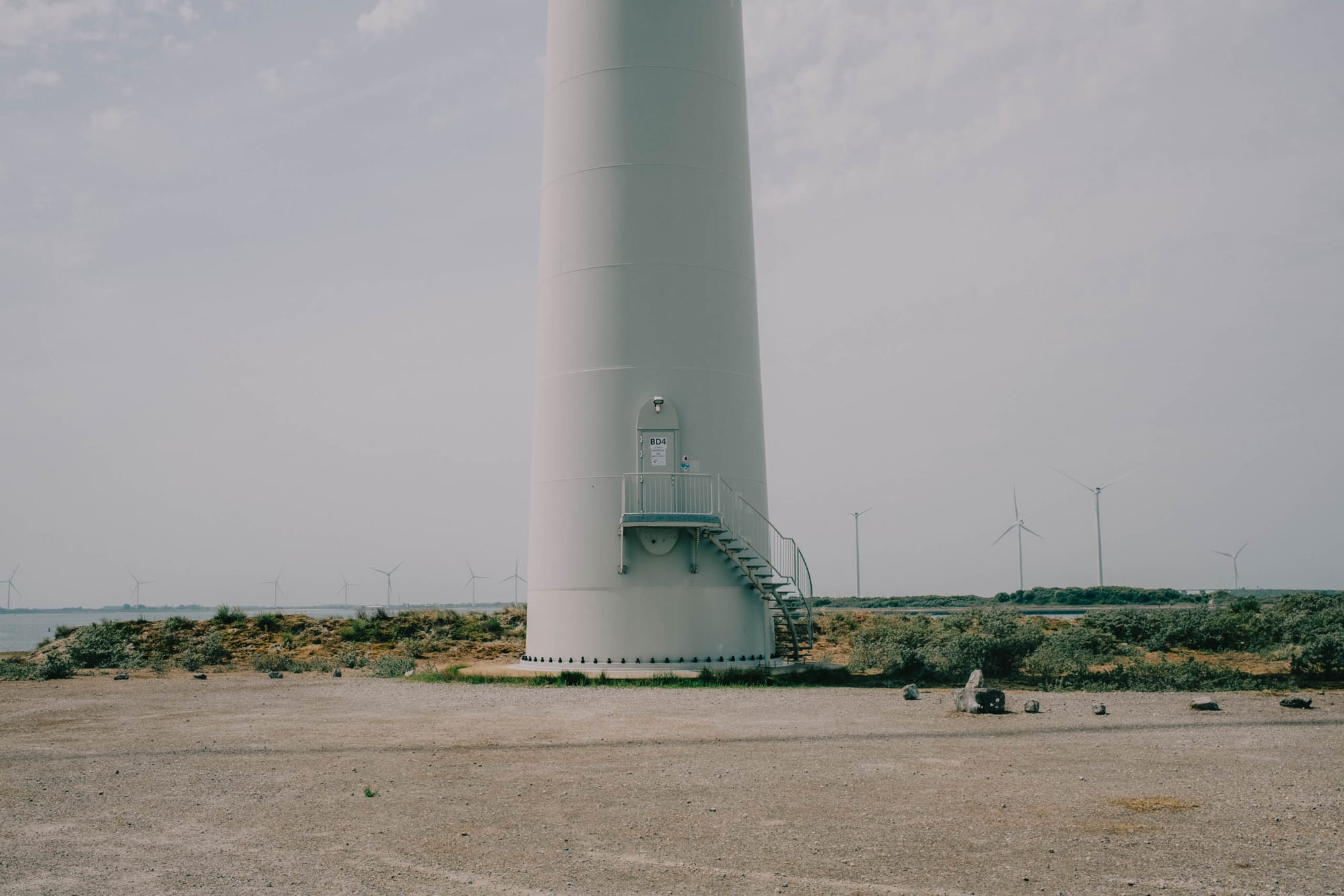
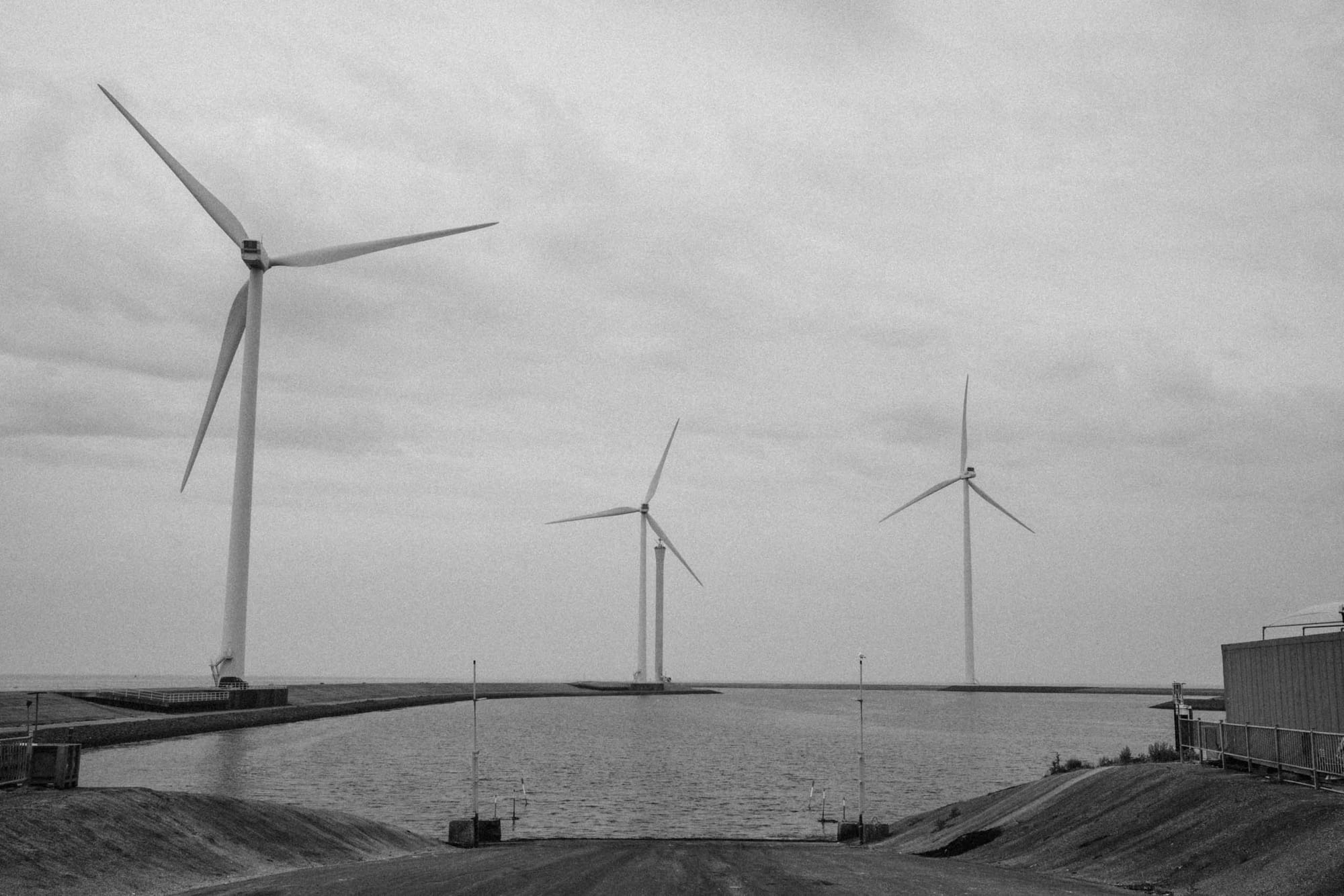
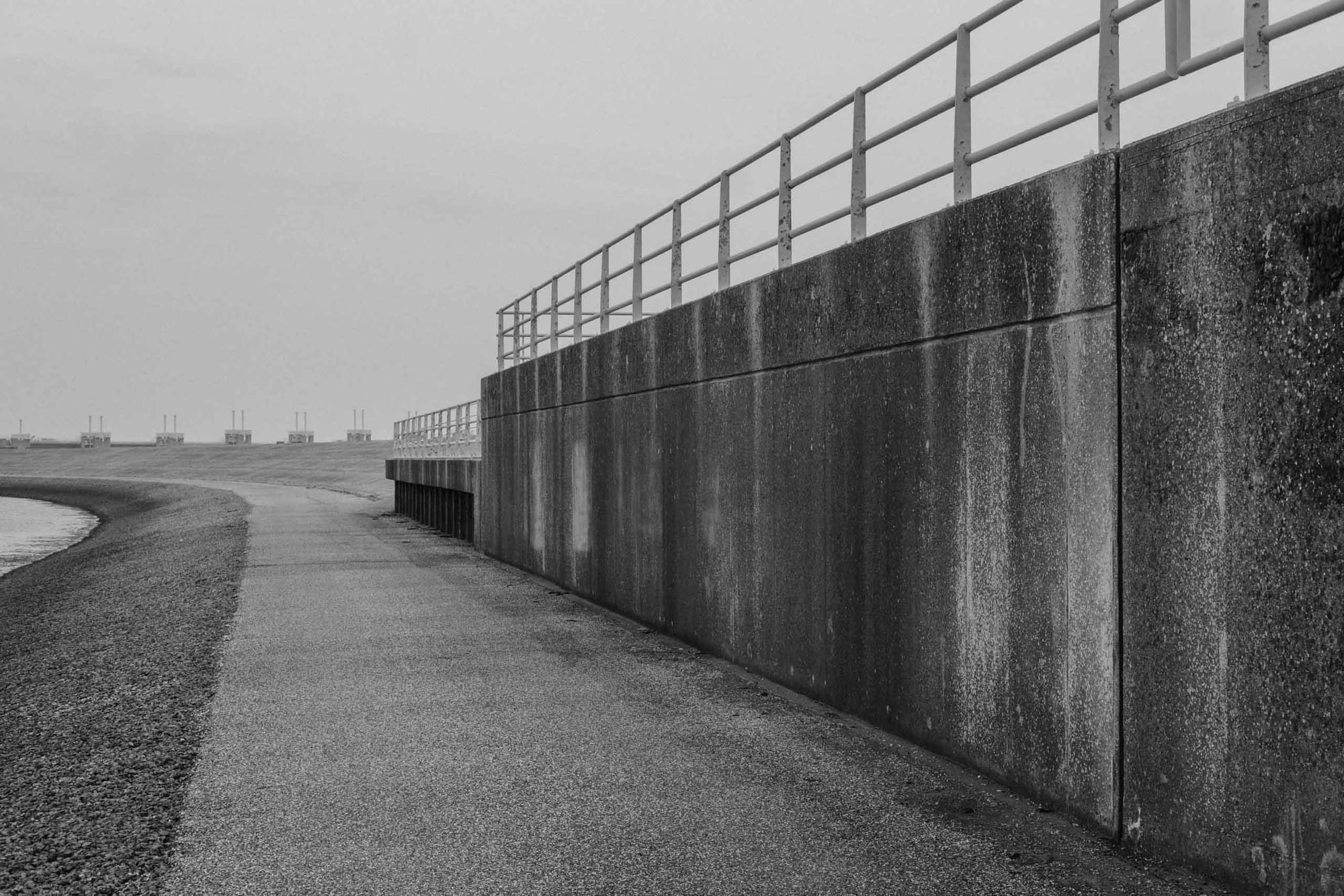
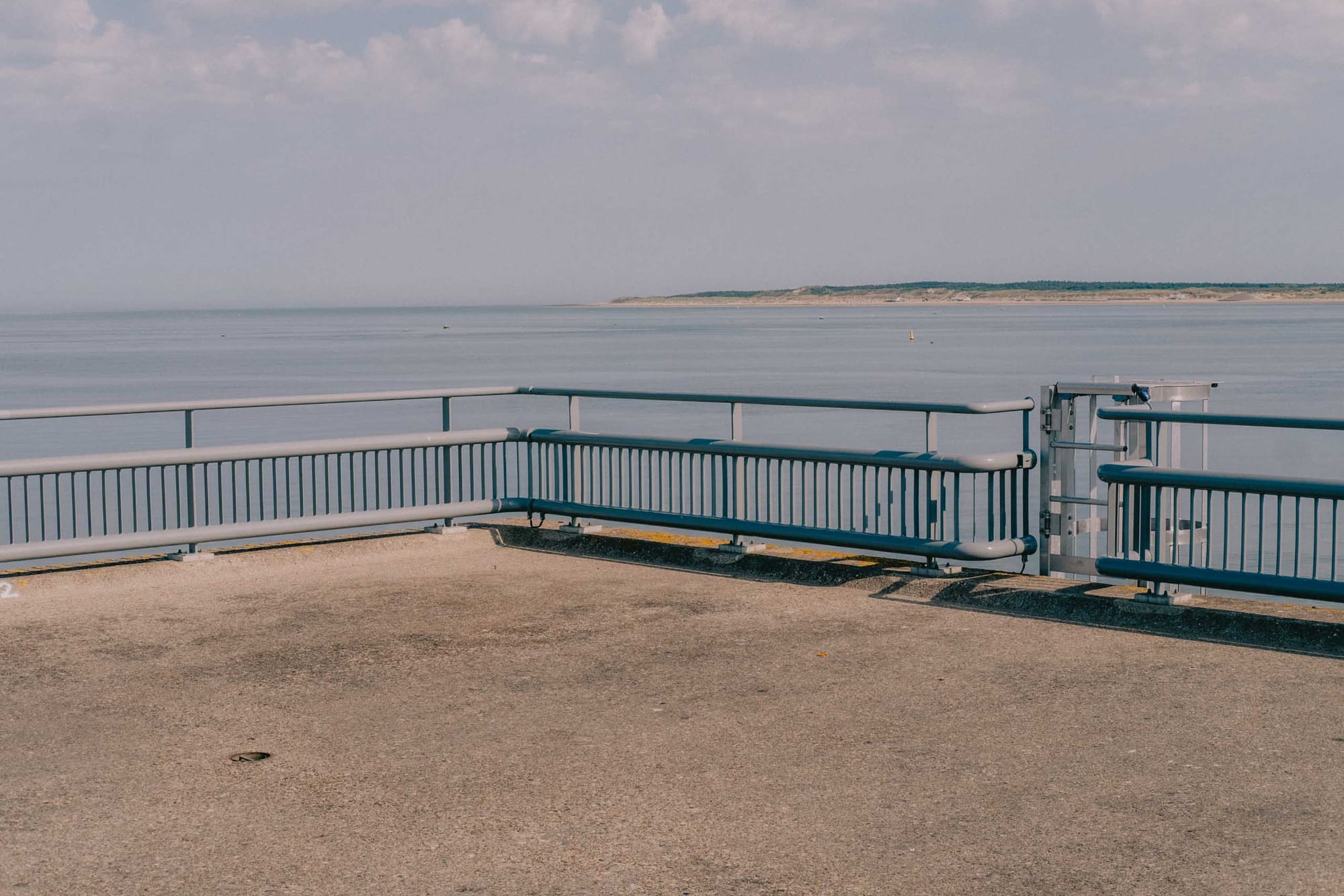
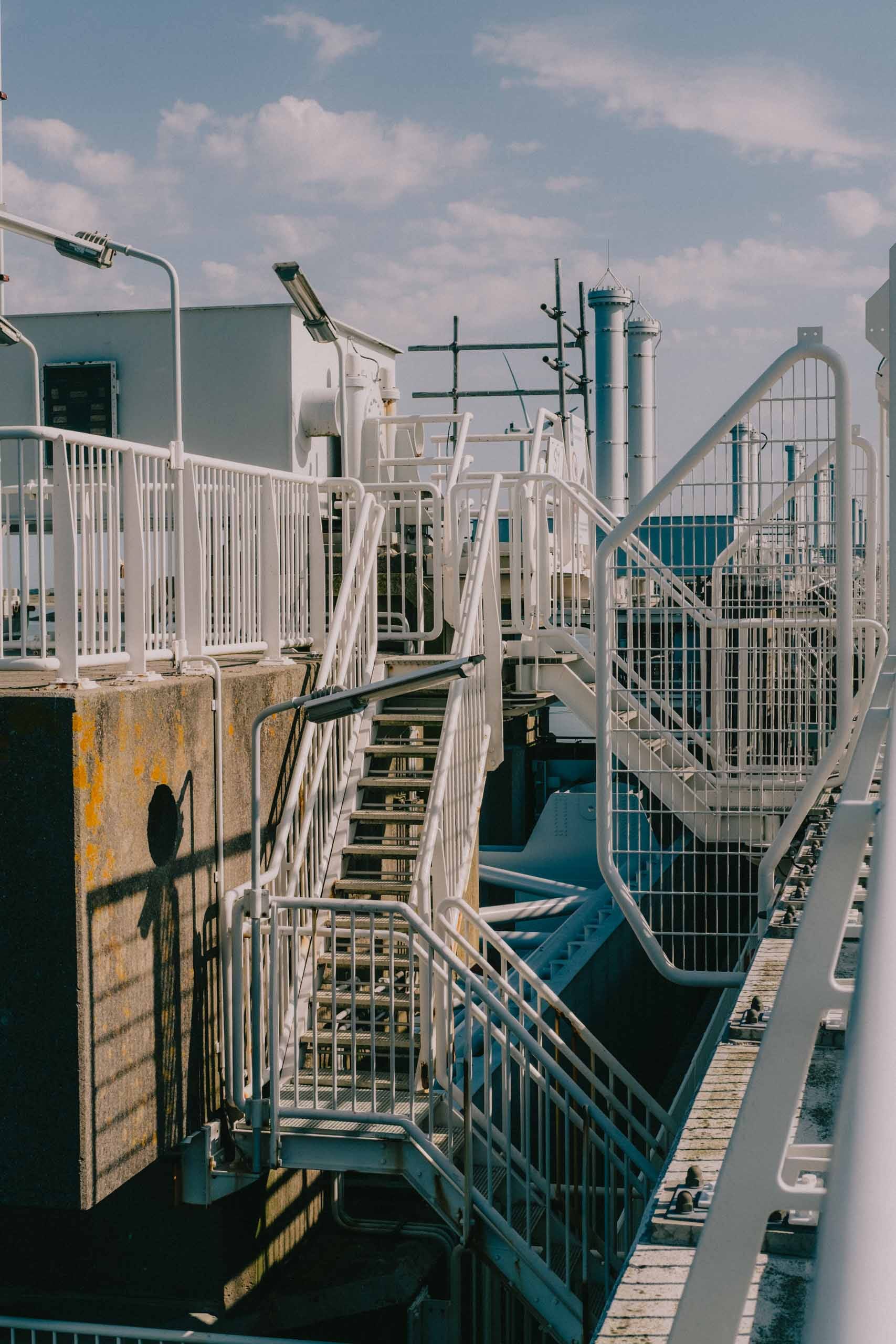
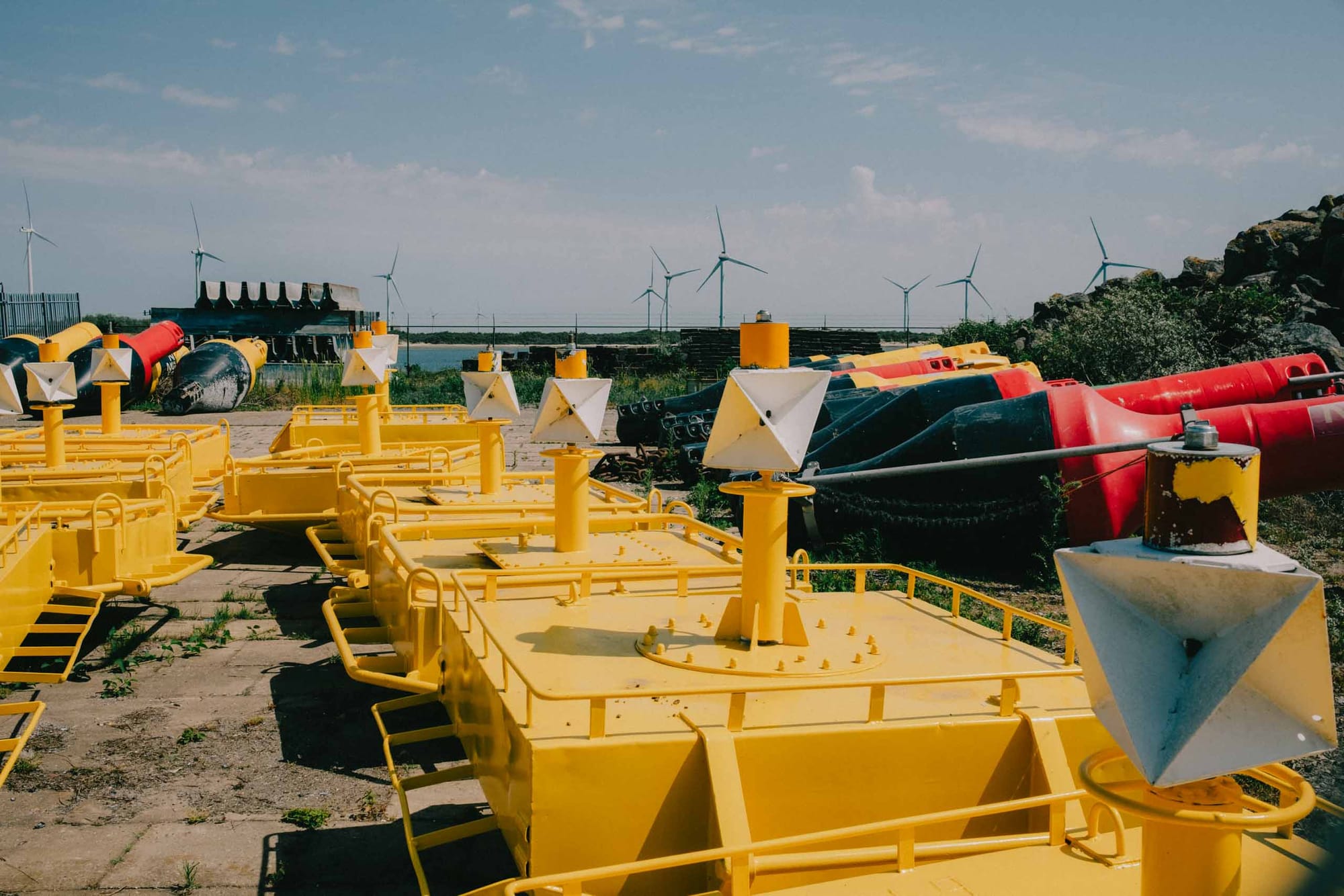
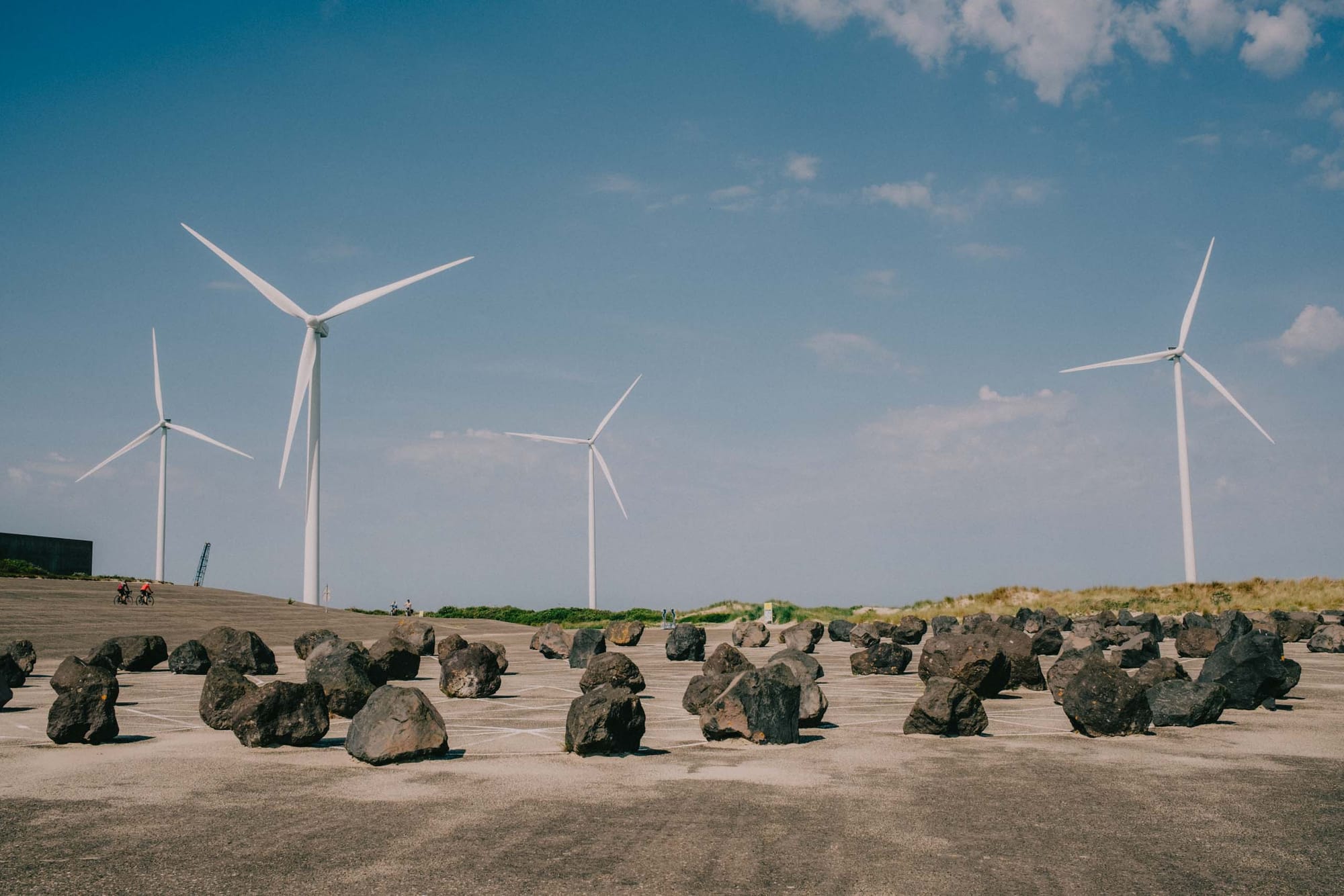
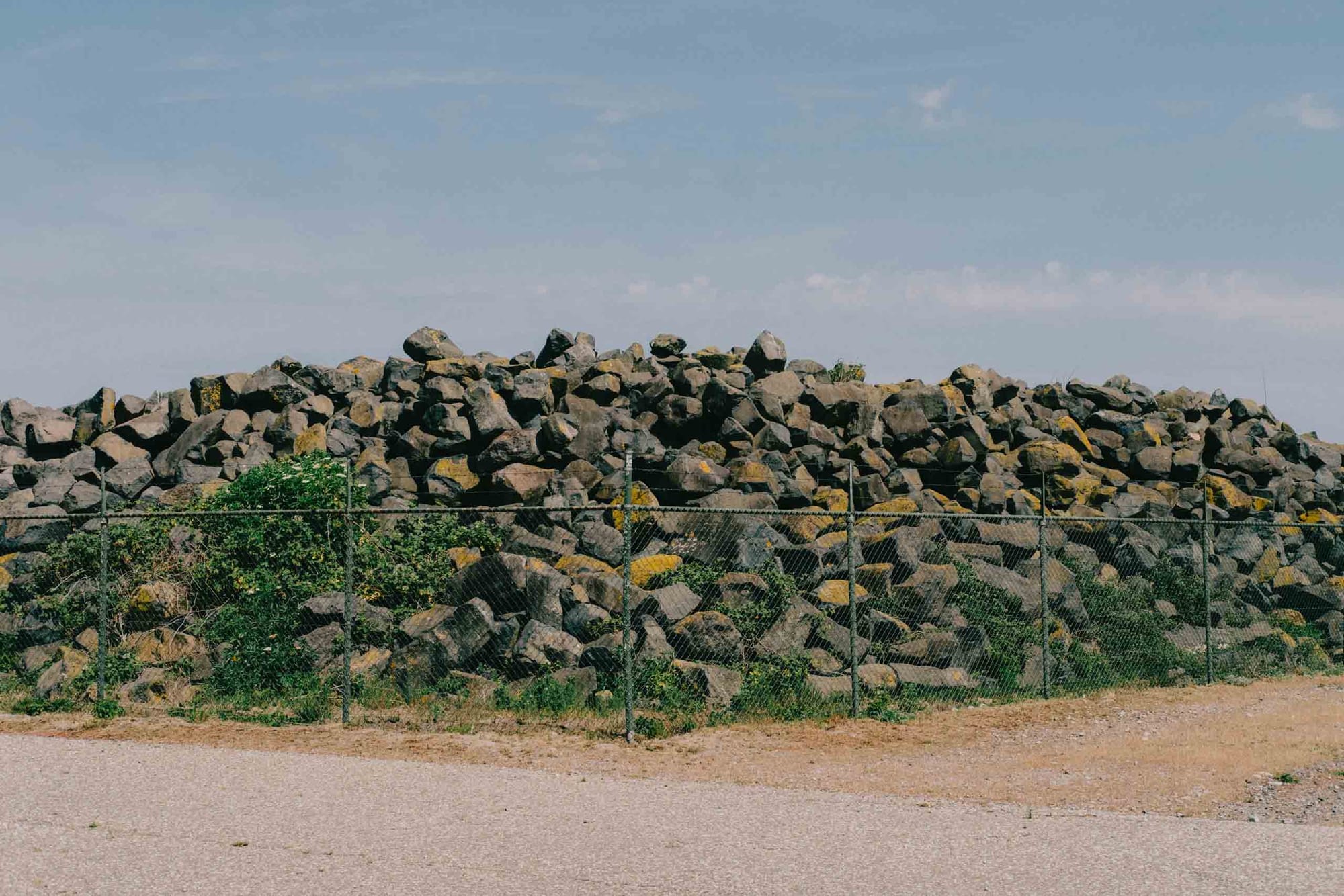
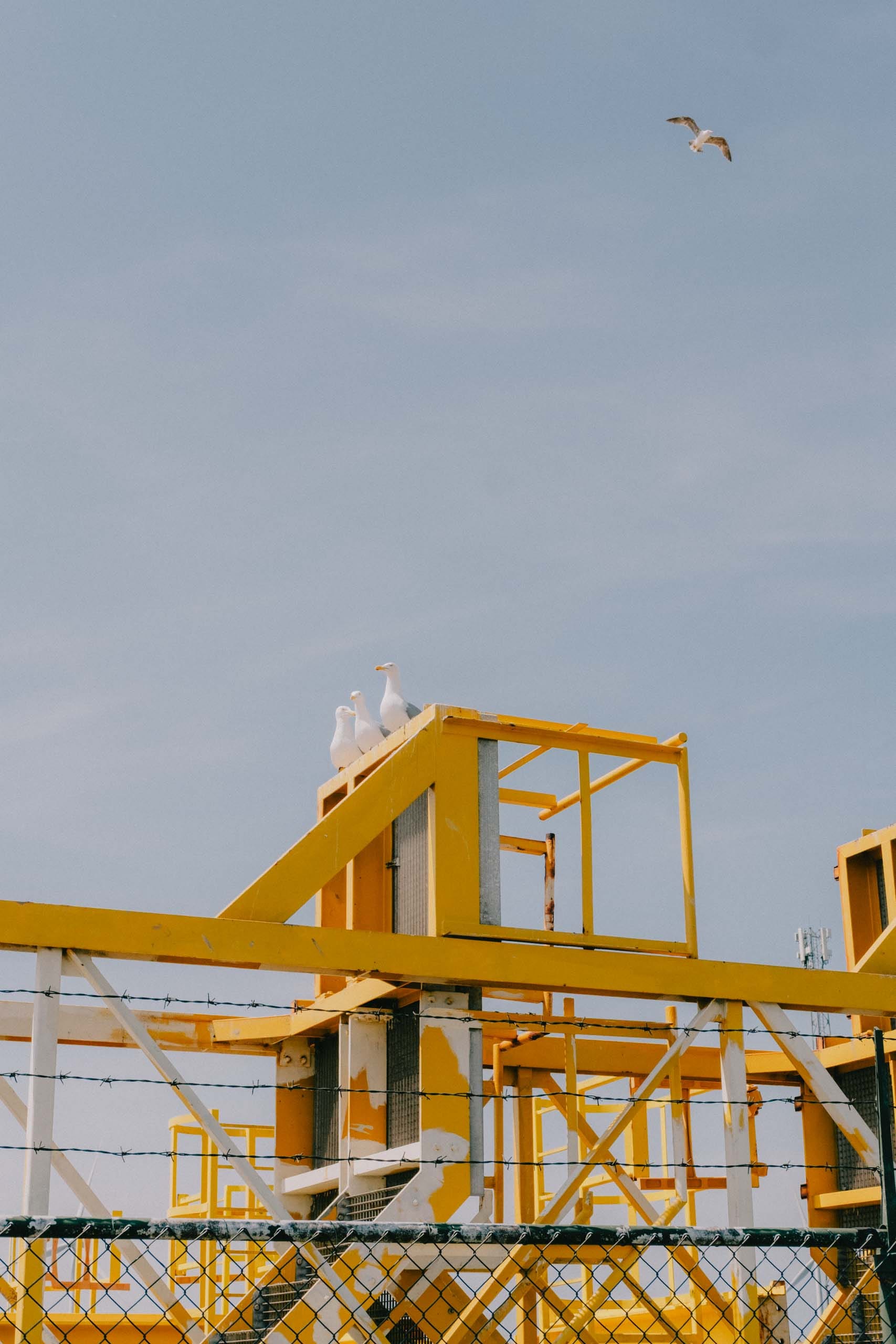
The barrier was built during the 1970s and 1980s and was made possible by the man-made island of Neeltje Jans that lies at the centre of it. What was once thought to be a temporary place to facilitate the construction, has now turned into a permanent addition to the Dutch coastline. It's a strange place, existing only for its practical use. A little maze of roads and coastal infrastructure that was always useful to humans, but has since provided safety to seals, rabbits, and a handful of different bird species. It's a little eerie to look at, but strangely heartwarming when you take the time to understand it properly.
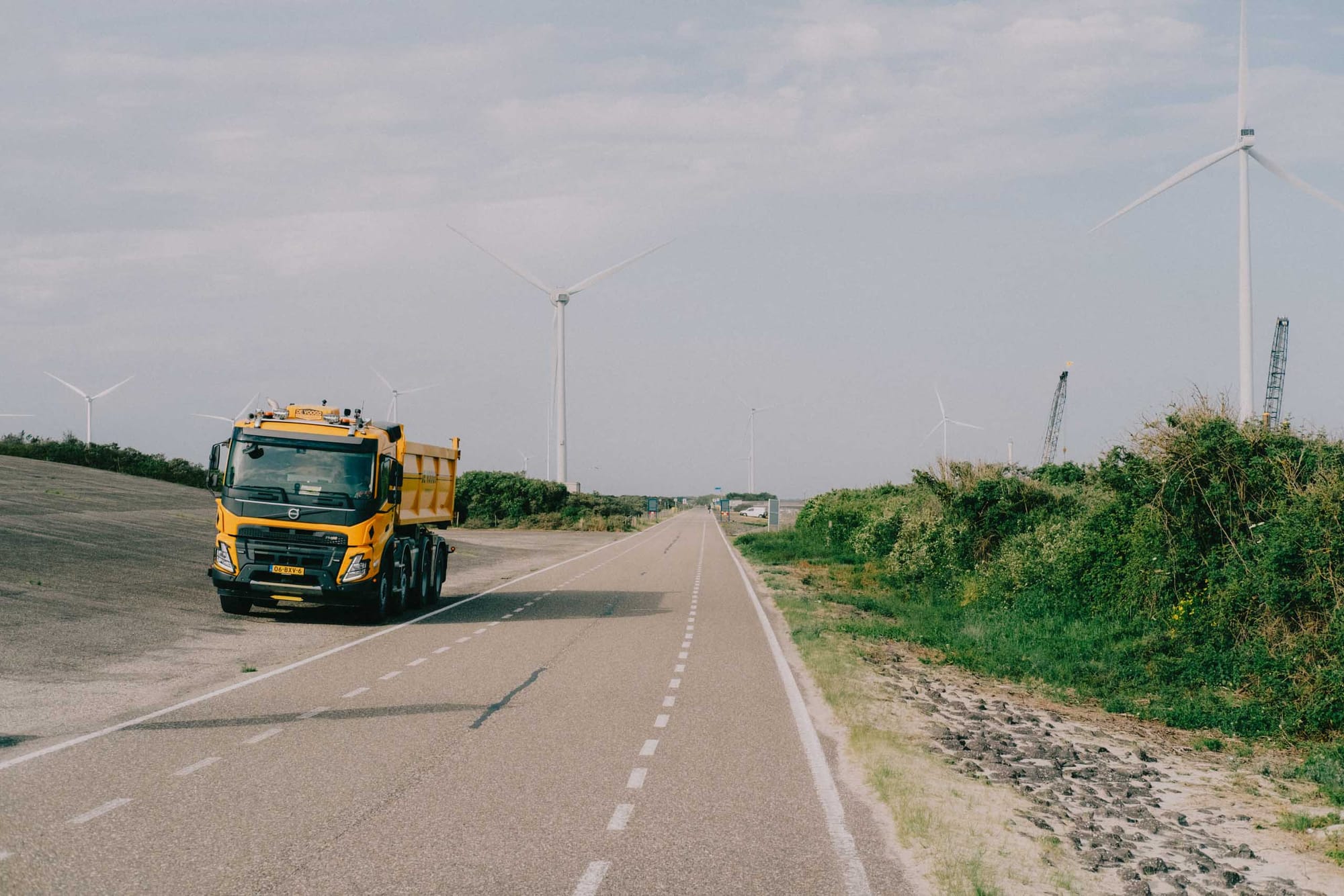
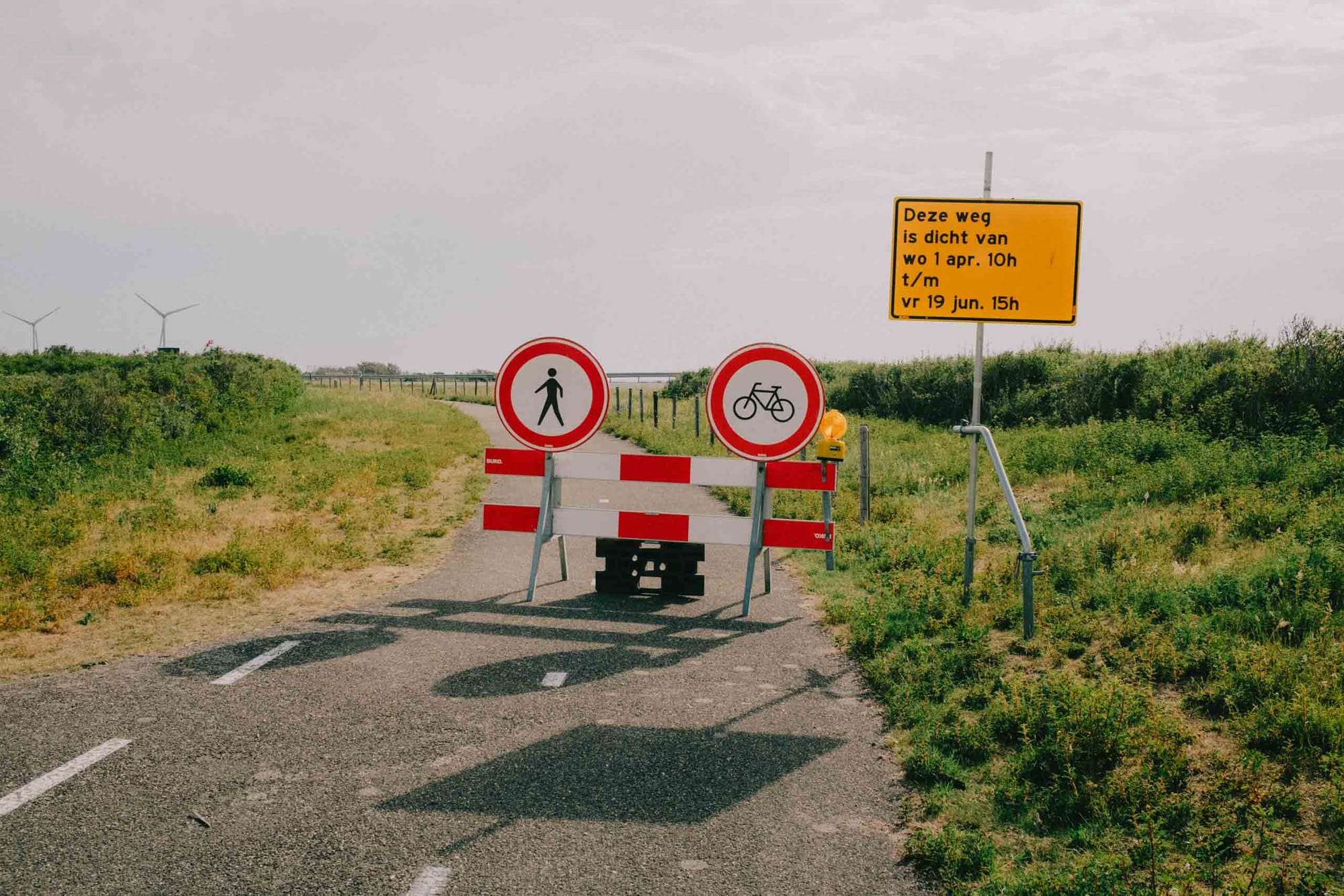
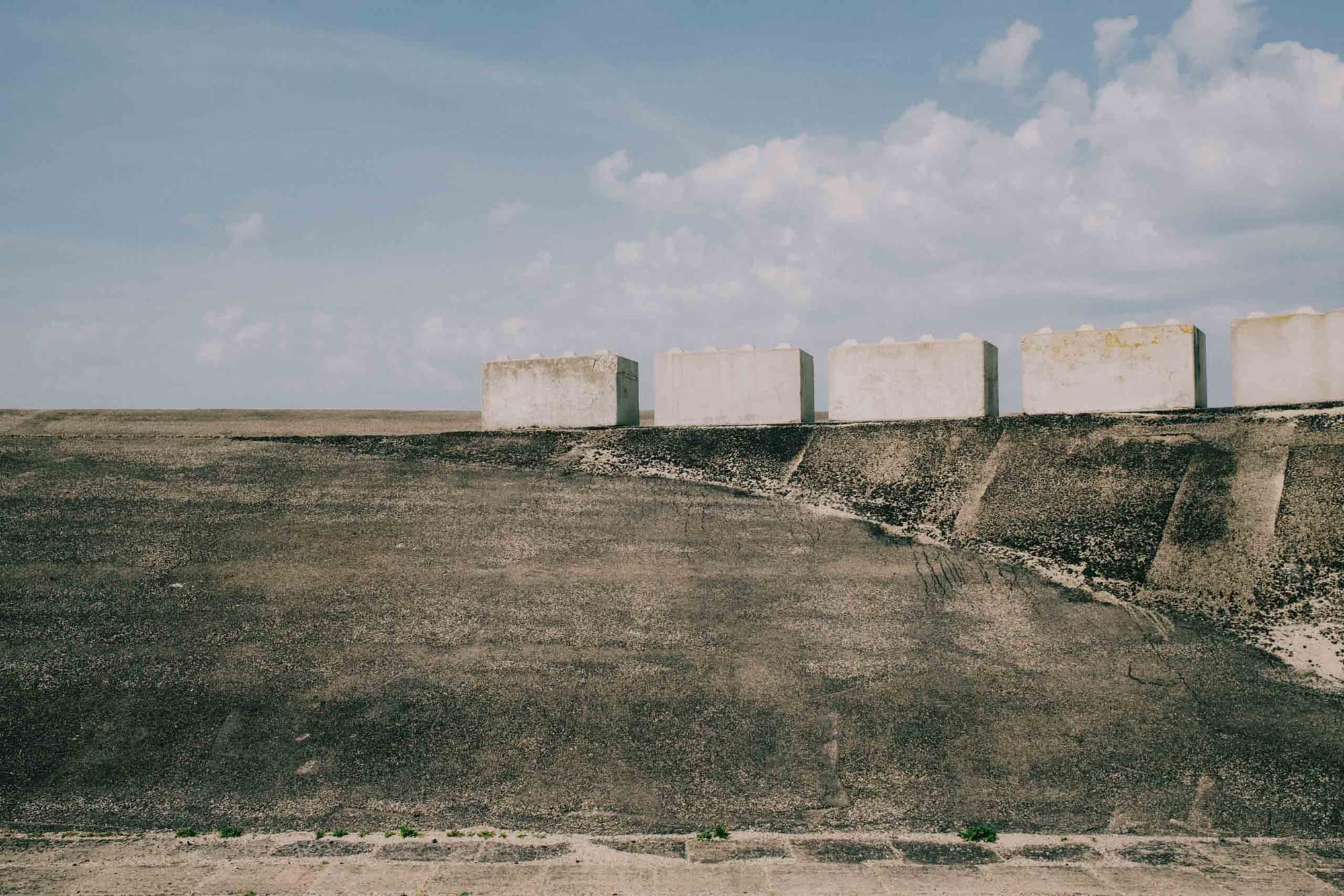
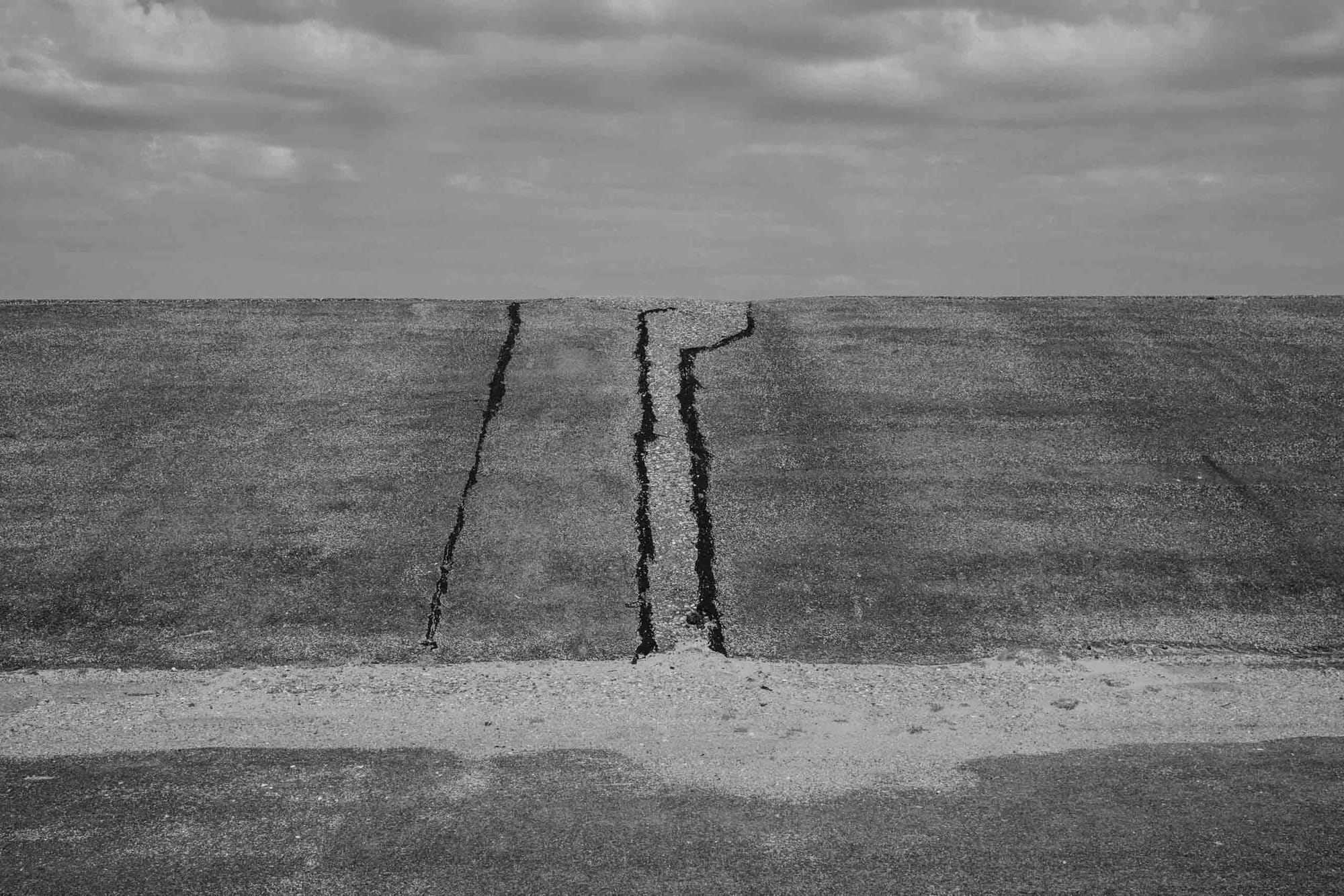
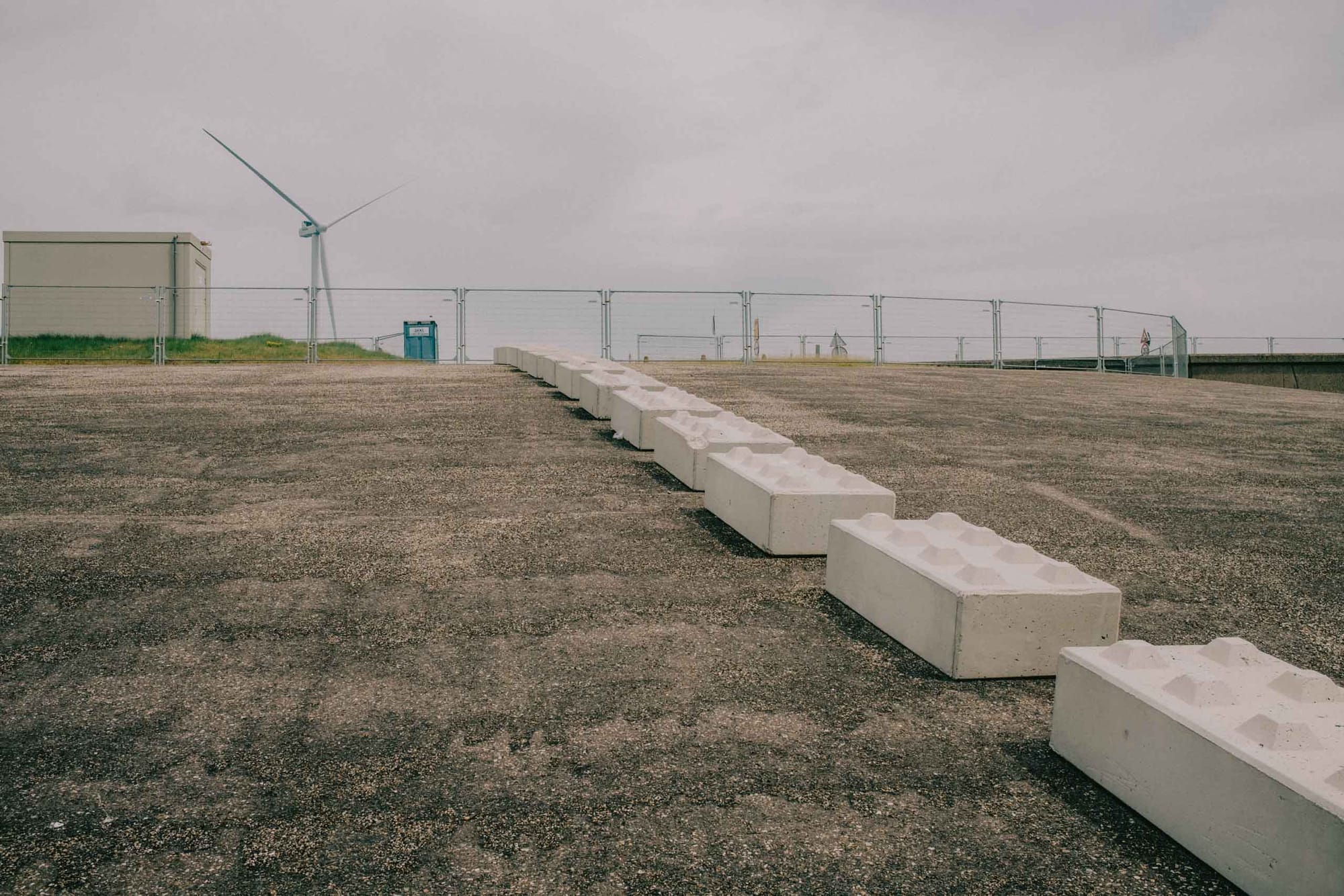
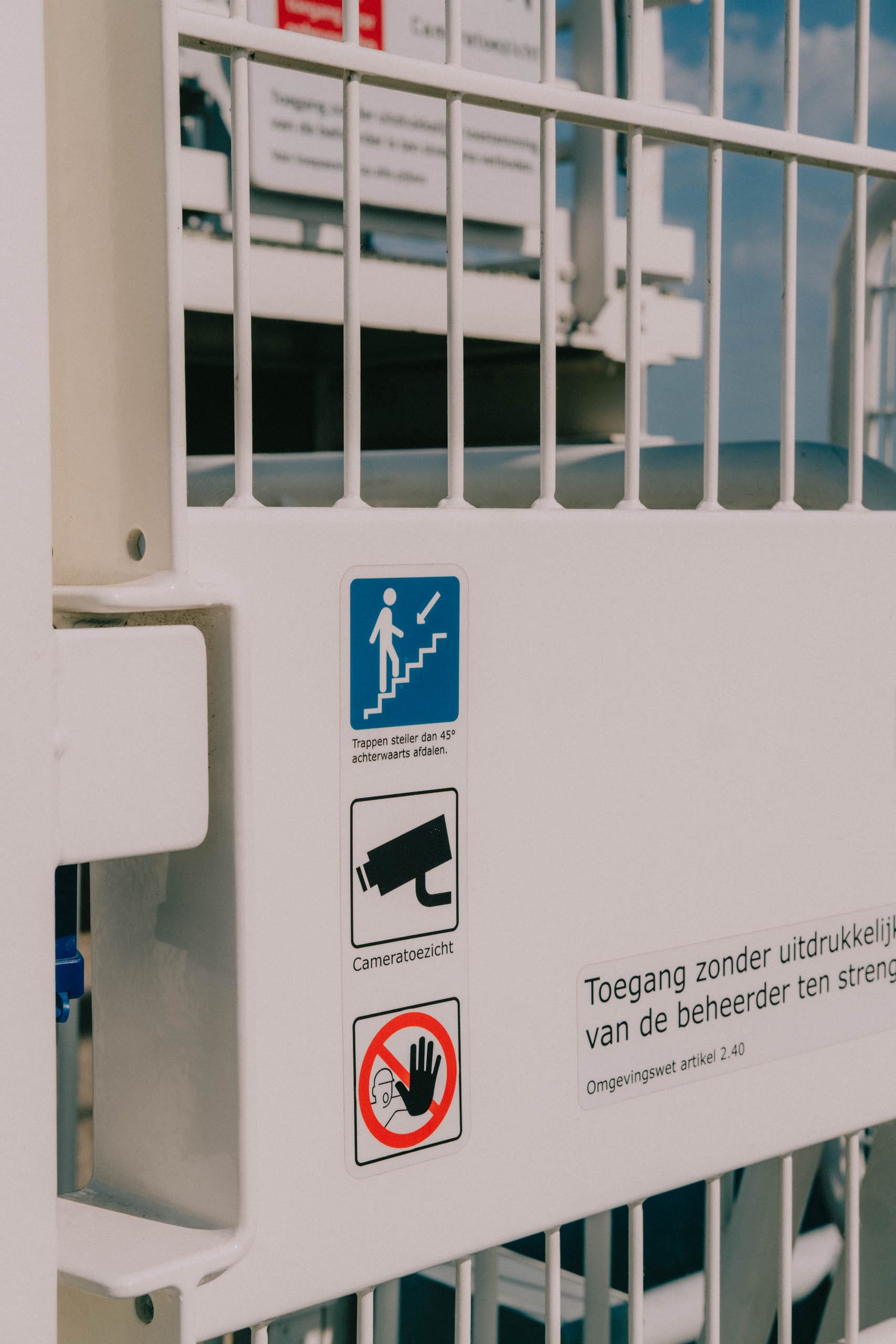
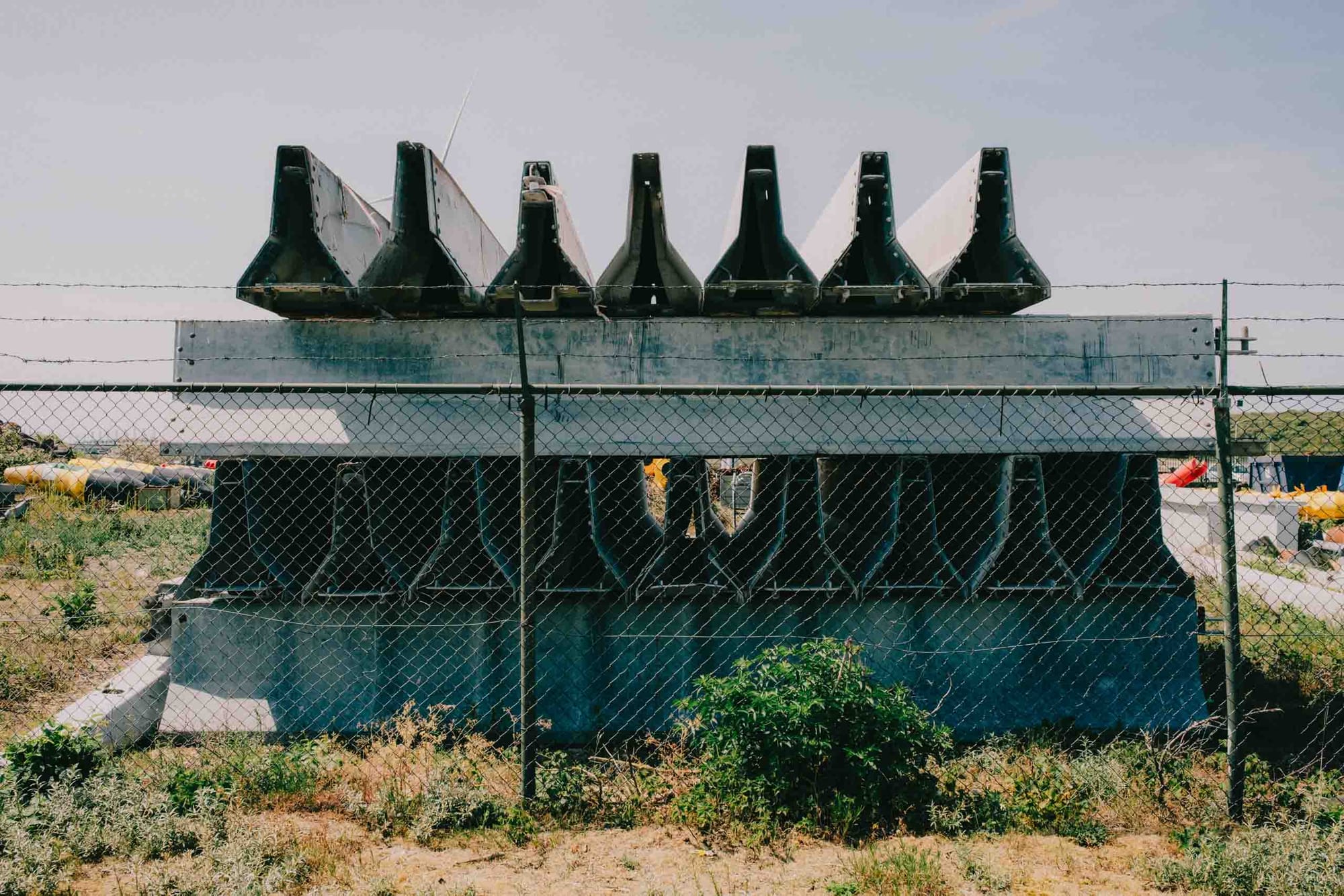
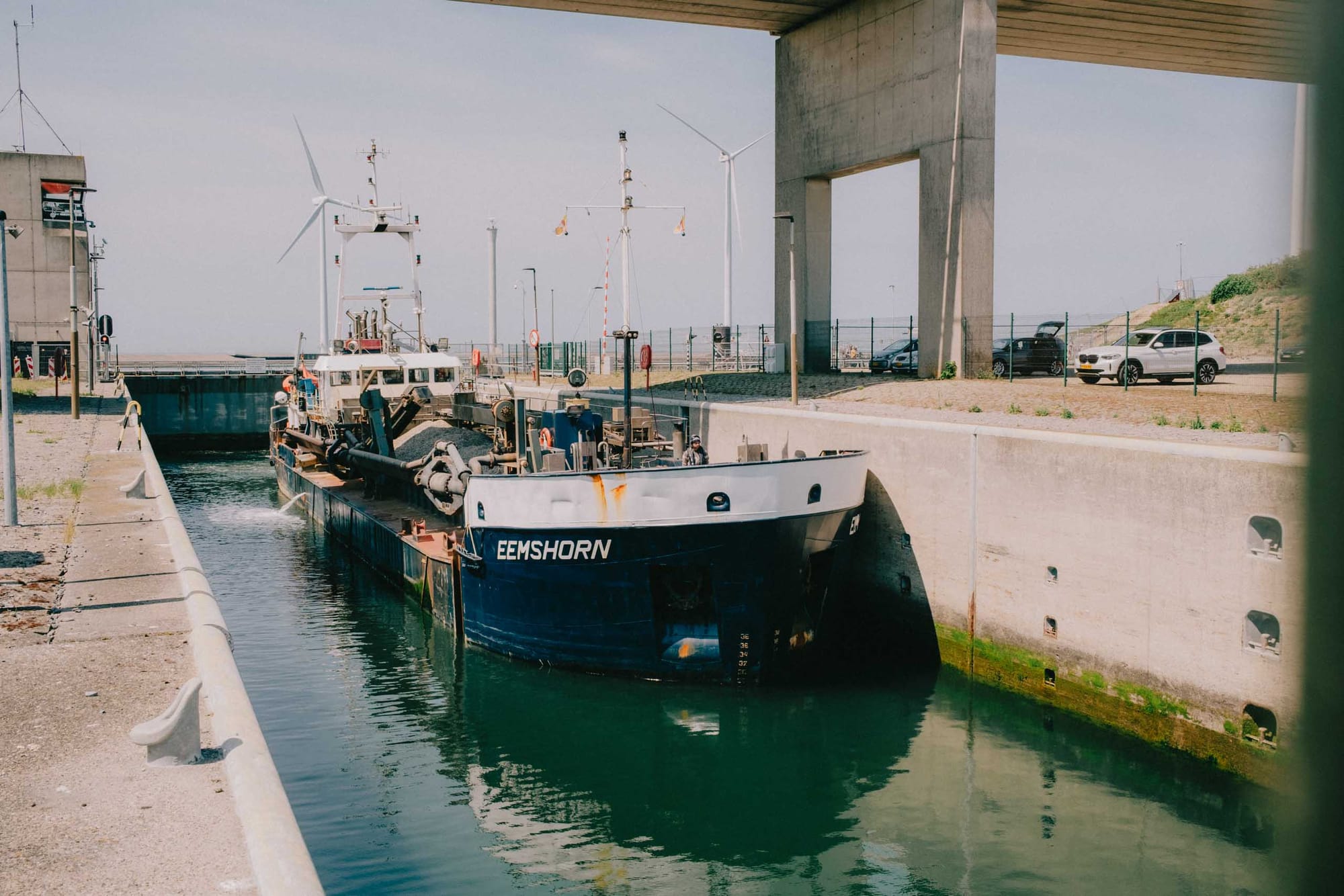
The Kering is never finished. Even during this first visit of mine they are working on it. I read online that the work on it is more or less continuous. Especially the painting. It takes about 30 years to paint all the gates and by the time you've reached the final one, the first one is already up for maintenance again. You can sense it in the DNA of Neeltje Jans, but the surrounding areas convey a constant state of flux too. Not necessarily an unrest, but more like a perpetual work in progress.
It's all expected though. The Dutch Delta Works are renowned for their engineering. Keeping the sea at bay is no easy feat. That obviously comes at a price. The Oosterscheldekering being the biggest structure of the network makes it the most obvious example of this wonder of modern technology. Completed in 1986 with an expected lifespan of 200 years. About 160 years to go.
Just you, me, and some occasional notes from the field. No spam.
Join the conversation