
Closer #019

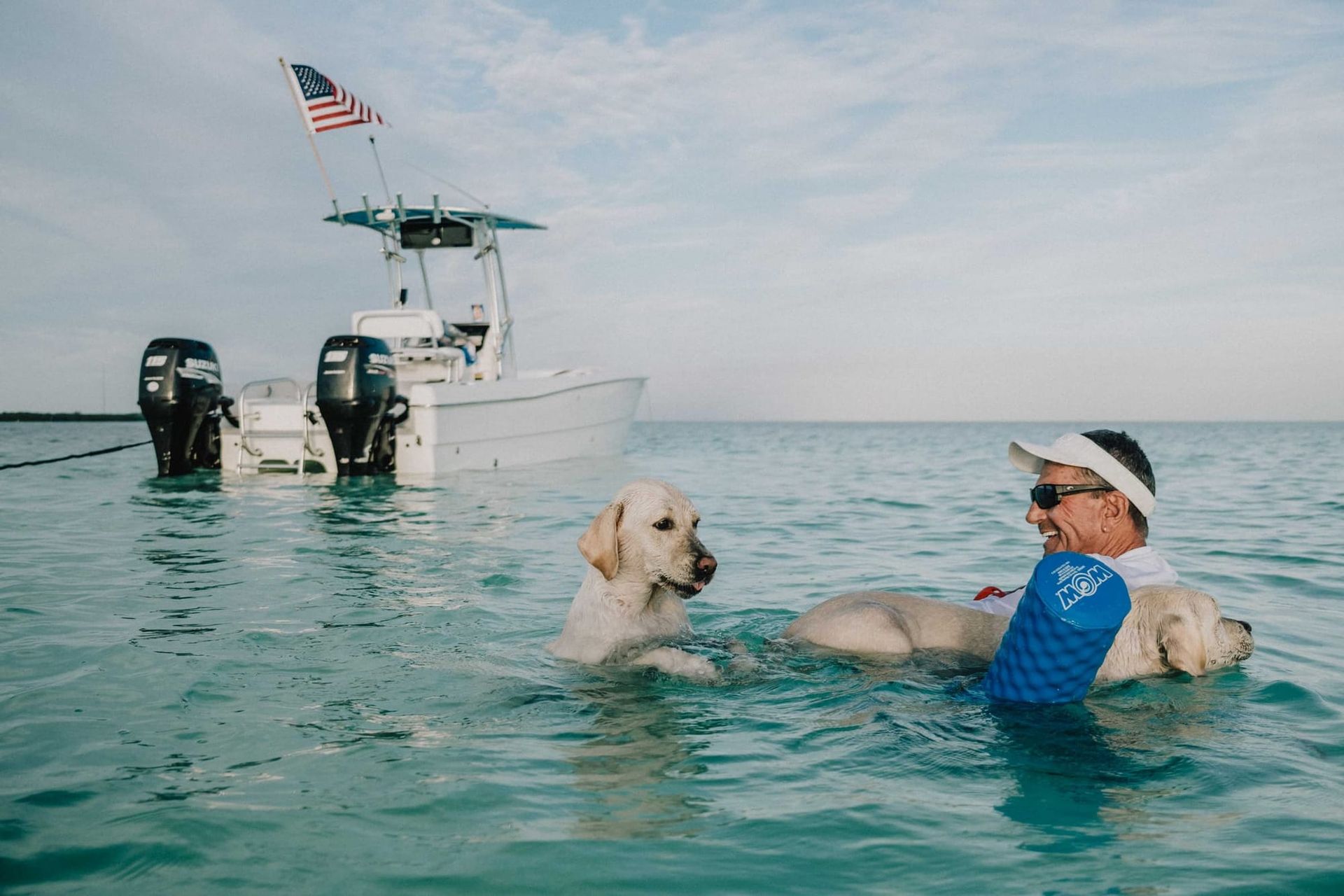
This weekly experiment is on an indefinite hold, until significant AI-advancements have been made.
Curious about the conclusions? Read Photography in the Age of AI (2025): Lessons From 25 Weeks of Experimentation
Welcome to Closer,
A weekly experiment in AI interpretation: I share a photo, ask AI to describe it, then generate an image from that description. This is edition #019. Prompts are in grey boxes. Descriptions are in italics.
Chat GPT-4o gave me six different Prompt Styles and we've tried them all on the same image over the past six weeks. The first week was hilariously bad, the second week was uneventful, the third week made me question the continued value of this newsletter. The fourth week? More unsuccessful tries. Last week was our last time using GPT-4o for image interpretation and generation. This week, I'm mostly glad this mini-experiment is over.
Everything I make is self-funded — driven by curiosity, shared to add a little good to the world. Want to support that?
You can:
- purchase a print
- buy a book
- become a member
Thanks so much in advance.
LLM models used
GPT-4o for prompt engineering
GPT-5 for image interpretation, and image generation.
The input with Prompt Style: Emotion-Focused
Purpose: Draw out feeling first, then form.
The output
This image evokes a strong sense of joy, companionship, and relaxed freedom. Several elements work together to create that feeling:
- Light: The soft, natural daylight — likely early morning or late afternoon — casts a gentle, even illumination over the scene. The lack of harsh shadows gives it a calm, warm, and unhurried vibe.
- Posture: The man’s relaxed, smiling body language as he holds the dog in his arms radiates affection and trust. The dogs appear comfortable and calm in the water, reinforcing the theme of companionship and mutual enjoyment.
- Framing: The composition places the man and dogs prominently in the foreground, while the boat and American flag sit in the background, slightly out of focus. This creates a sense of place without distracting from the emotional core — the connection between human and animals.
- Atmosphere: The clear, turquoise water and open horizon suggest openness, leisure, and escape from daily stress. The presence of the boat hints at adventure and exploration, but the stillness of the moment keeps the focus on peace and contentment rather than adrenaline.
Overall, it feels like a snapshot of a perfect day where time slows down — just a man, his dogs, and the sea.
If you want, I can also break down how the color palette contributes to the emotional tone. That’s doing a lot of work here too.
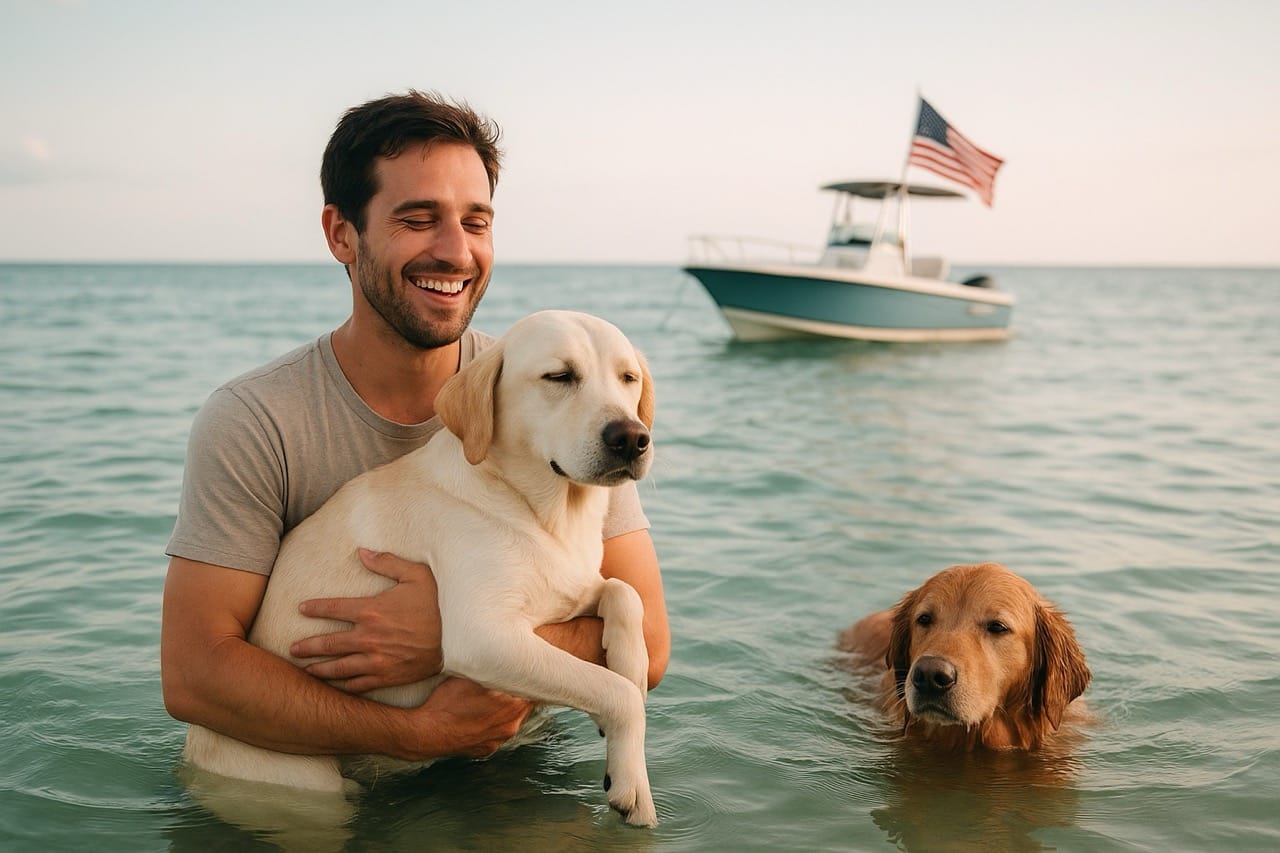
Impressions
I was surprised to see the release of GPT-5 this past week, and it was a welcome one. This weekly newsletter is kind of leaning on AI advancements to remain interesting and, if you followed along the past few weeks, I was unsure if that was still the case. I needed the release of a new model.
From what I understand though, the underlying models in GPT-5 are the same as they were before. The main difference is that you don't have to manually select a model that's most fitting for your query. GPT-5 just picks the most relevant model automatically. A great quality of life improvement, but it doesn't make the outputs any better if you were picking the correct models already. I think it's a good idea to abstract these complexities away but it seems like the improvements are not really noticeable for this image-generation experiment.
So far, the consensus seems to be that there is no significant change to image generation but GPT-5 should have better visual perception, which means any reference images you give it as an input are understood by the tool more easily. I noticed this effect too! The interpretation part of the image was much faster. Probably because GPT-5 was able to pick a more efficient model for this task. That said, image generation is still a super slow.
Then again, we're also still on the free plan of ChatGPT for this experiment so you don't get priority in the queue. I can definitely notice the difference between my personal free account and the paid account I get through work (but I don't use that for these tasks because I prefer to have that account be 'set up' for work-related tasks, plus I think it dilutes the ongoing work we're doing here.)
Another thing I found interesting is the follow up question that was asked by the AI when generating the description of the input image. I thought that was kinda nice. The output image does not look significantly different though. And, honestly, that's no real surprise. It seems photographers have nothing to fear as long as you're making work that has some level of human connection and reality embedded it in.
Anything I missed and you want to point out? My inbox remains open for feedback and input. You can also fill out the survey at the bottom if you want to share your feedback anonymously.
Thanks again for following along, see you next week.
Mitch
Got a minute? I’d love your quick thoughts — 3 multiple choice questions, that’s it.
Just you, me, and some occasional notes from the field. No spam.
Join the conversation